00
Website
italianvisa
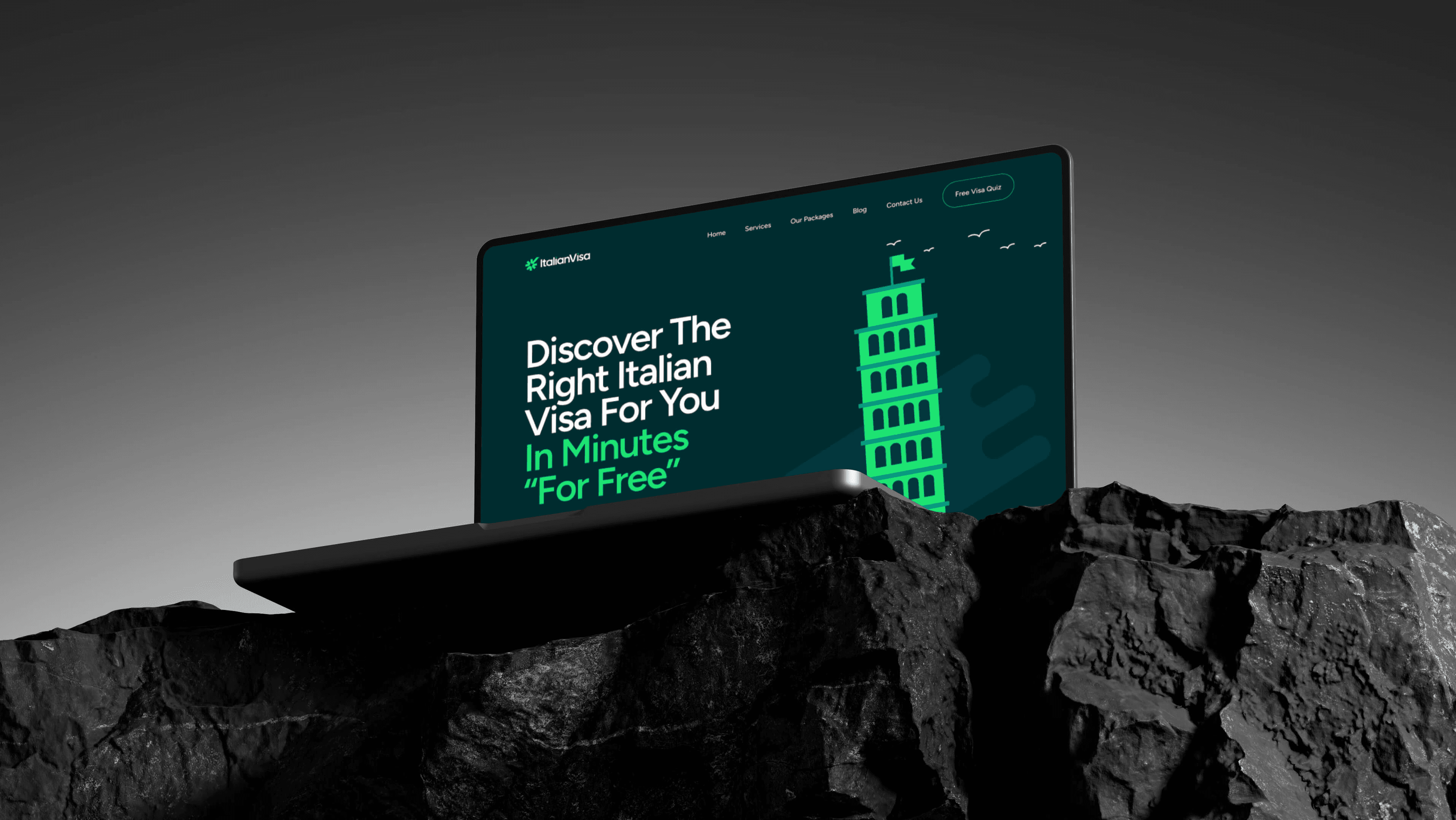
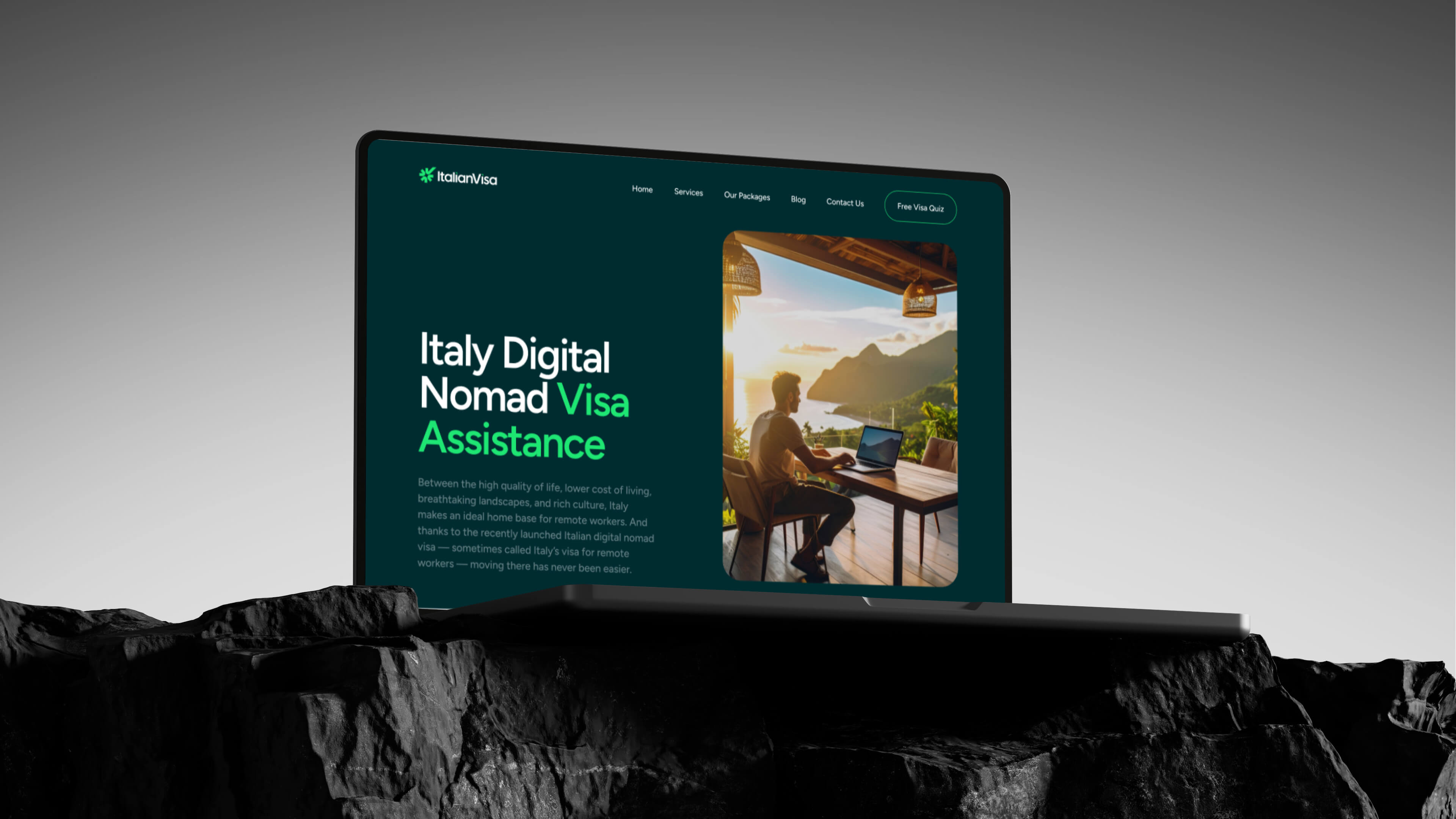
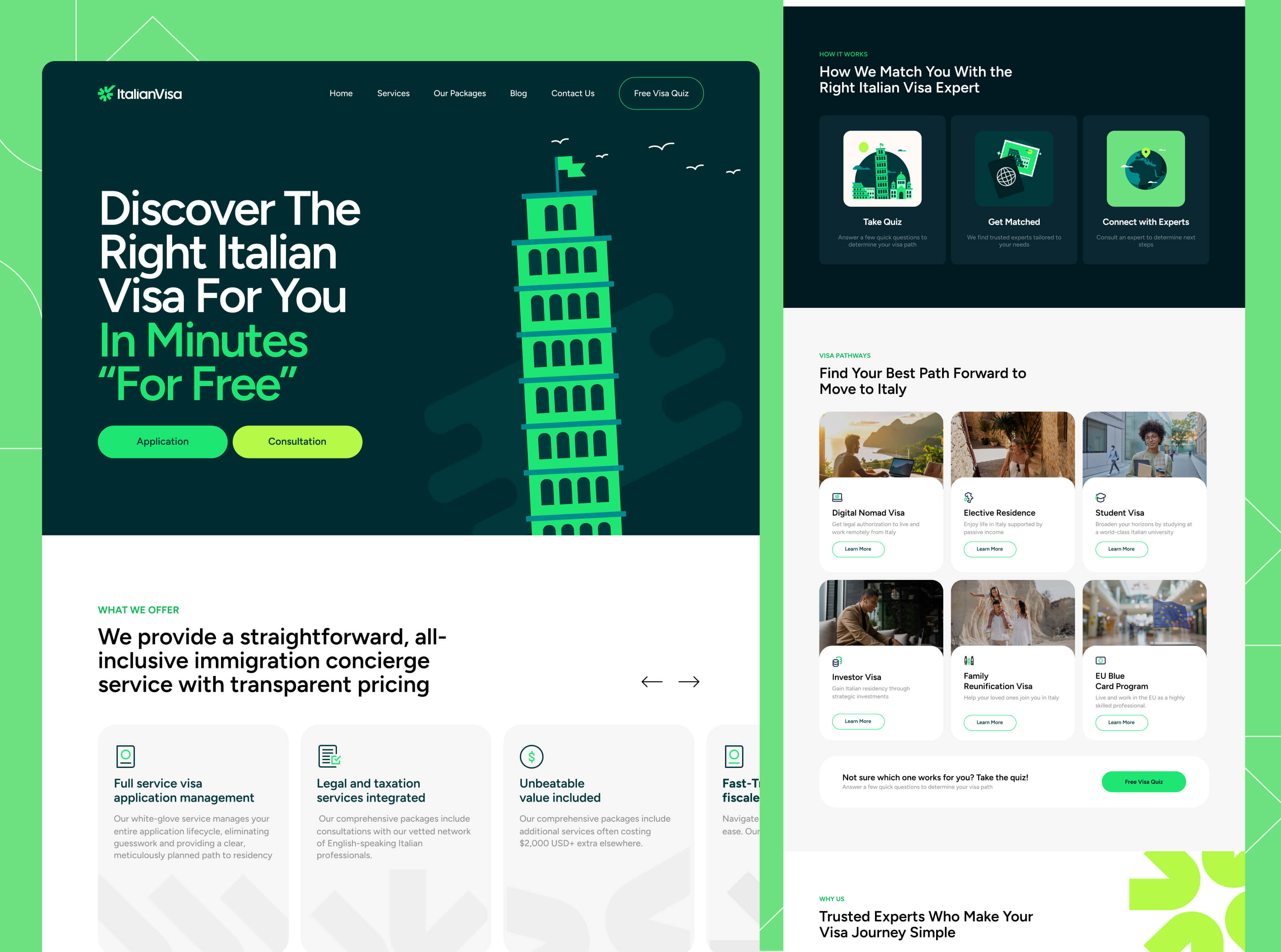
ItalianVisa is a modern immigration and relocation website designed to help users navigate the process of moving to Italy and obtaining the right visa. The platform presents complex legal and relocation services through a clean, approachable, and trustworthy interface that simplifies the user journey and makes the experience feel less overwhelming.
challange
solution
how was the process going
discovery & aligment
The project started with a discovery and alignment phase focused on understanding the company’s goals, target audience, services, and overall business direction. During this stage, we analyzed the existing structure, identified key user pain points, and defined the primary actions users should take throughout the website experience — with the main conversion goal being scheduling a consultation call.
competitors analysing
structure
visual direction
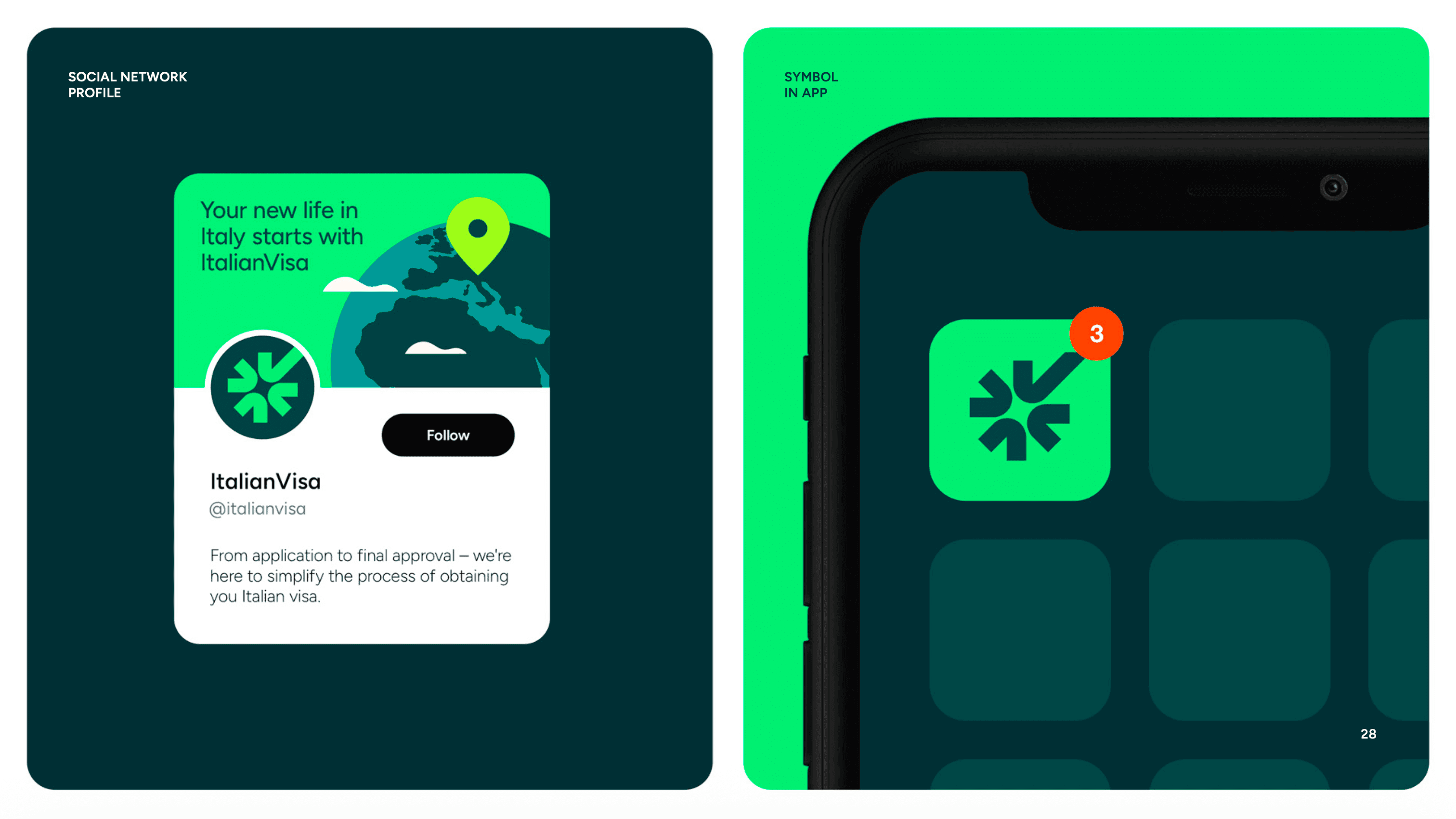
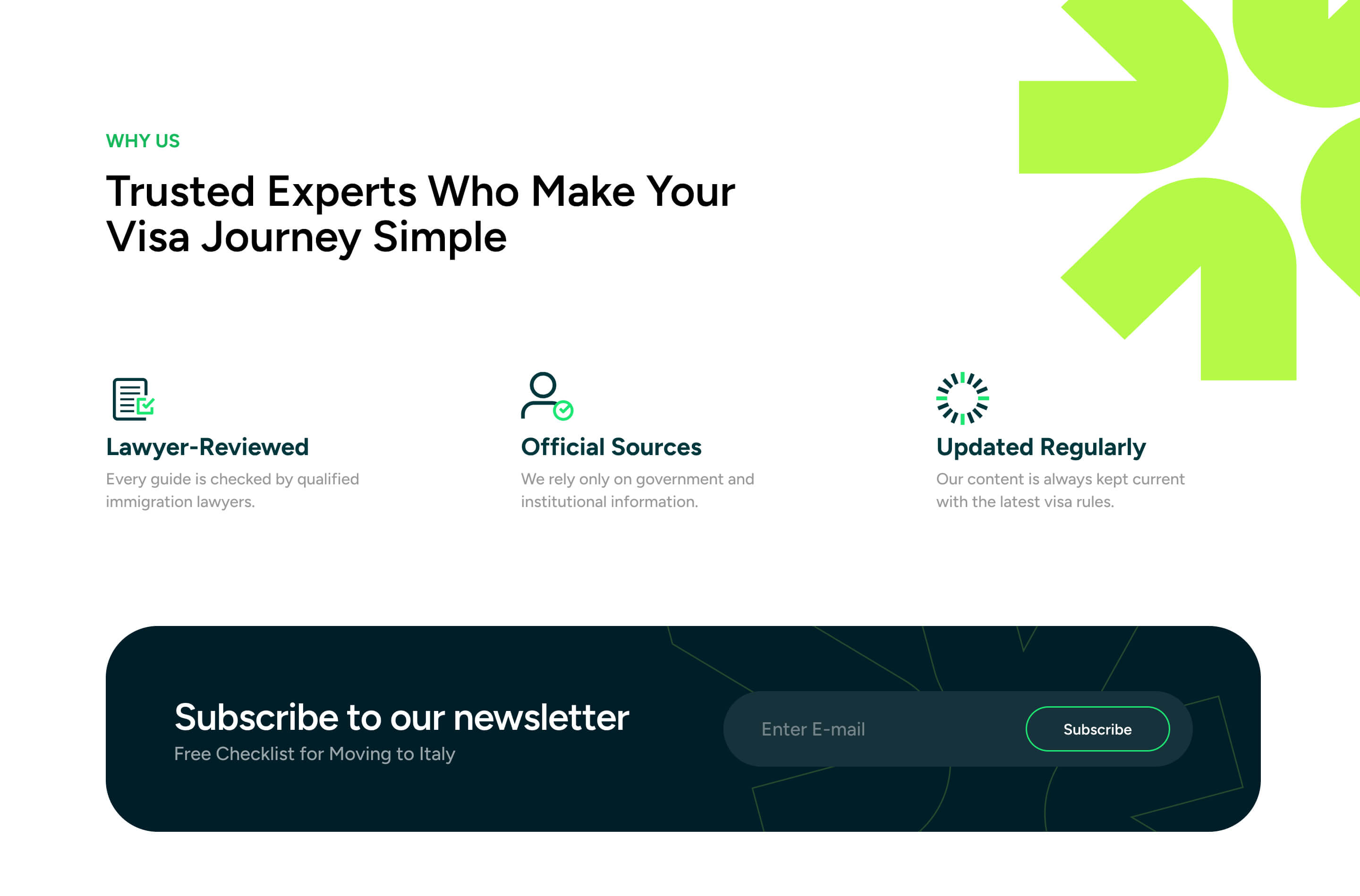
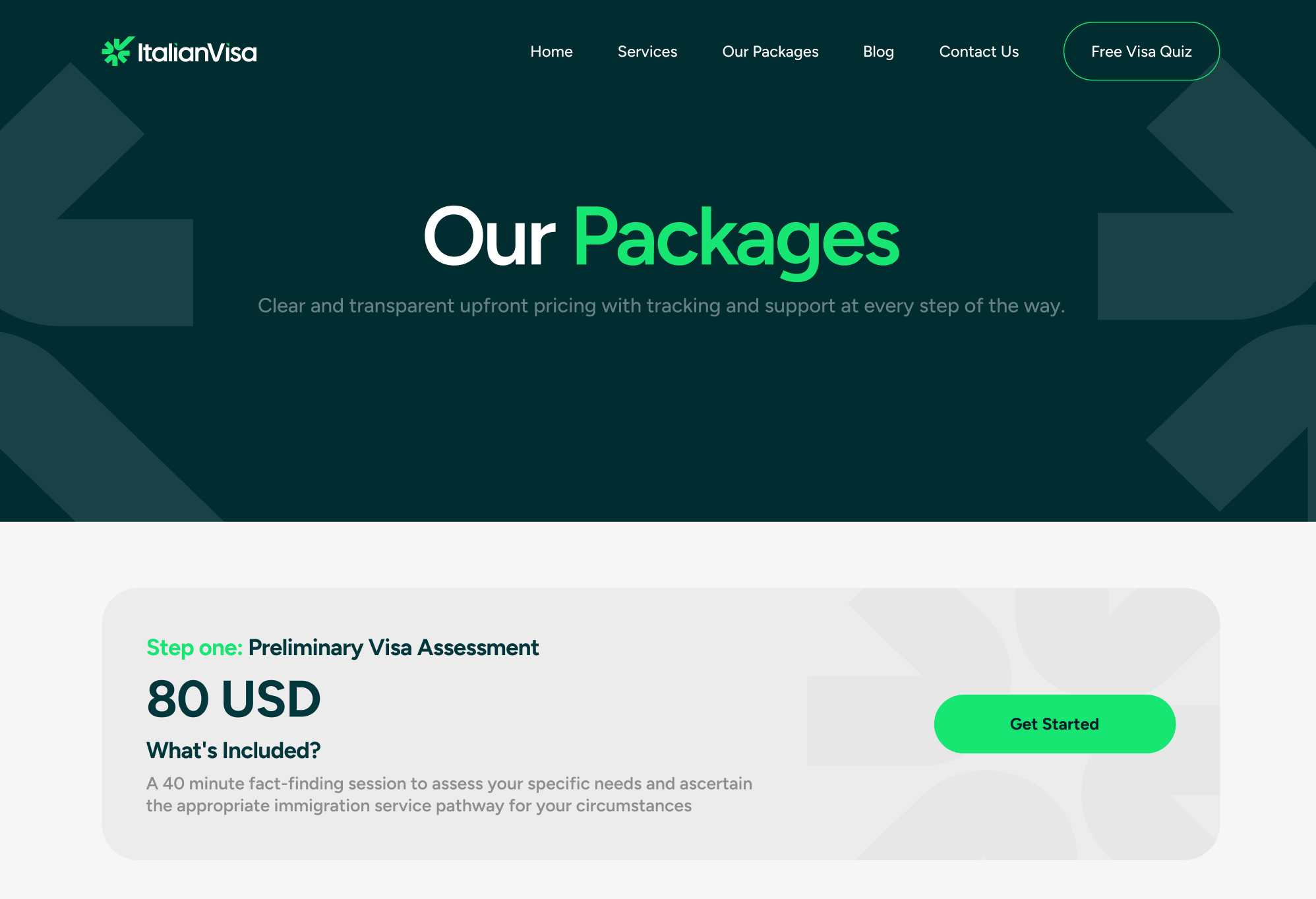
When the structure was defined and market analysis completed, I moved into the design phase. The brand already had an established visual identity, so the main challenge was to translate it into a functional and consistent digital experience, using the existing guidelines as a foundation.
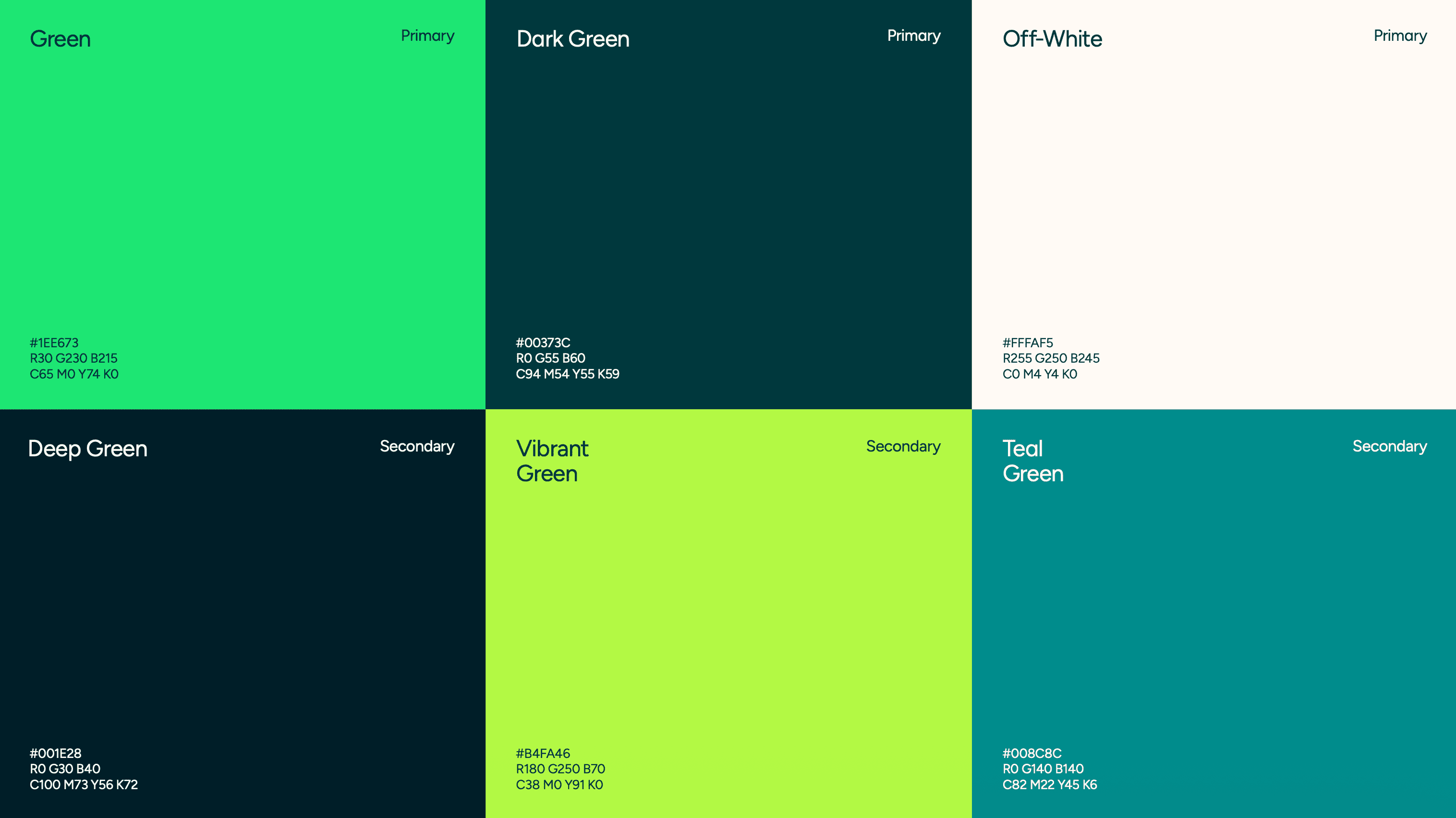
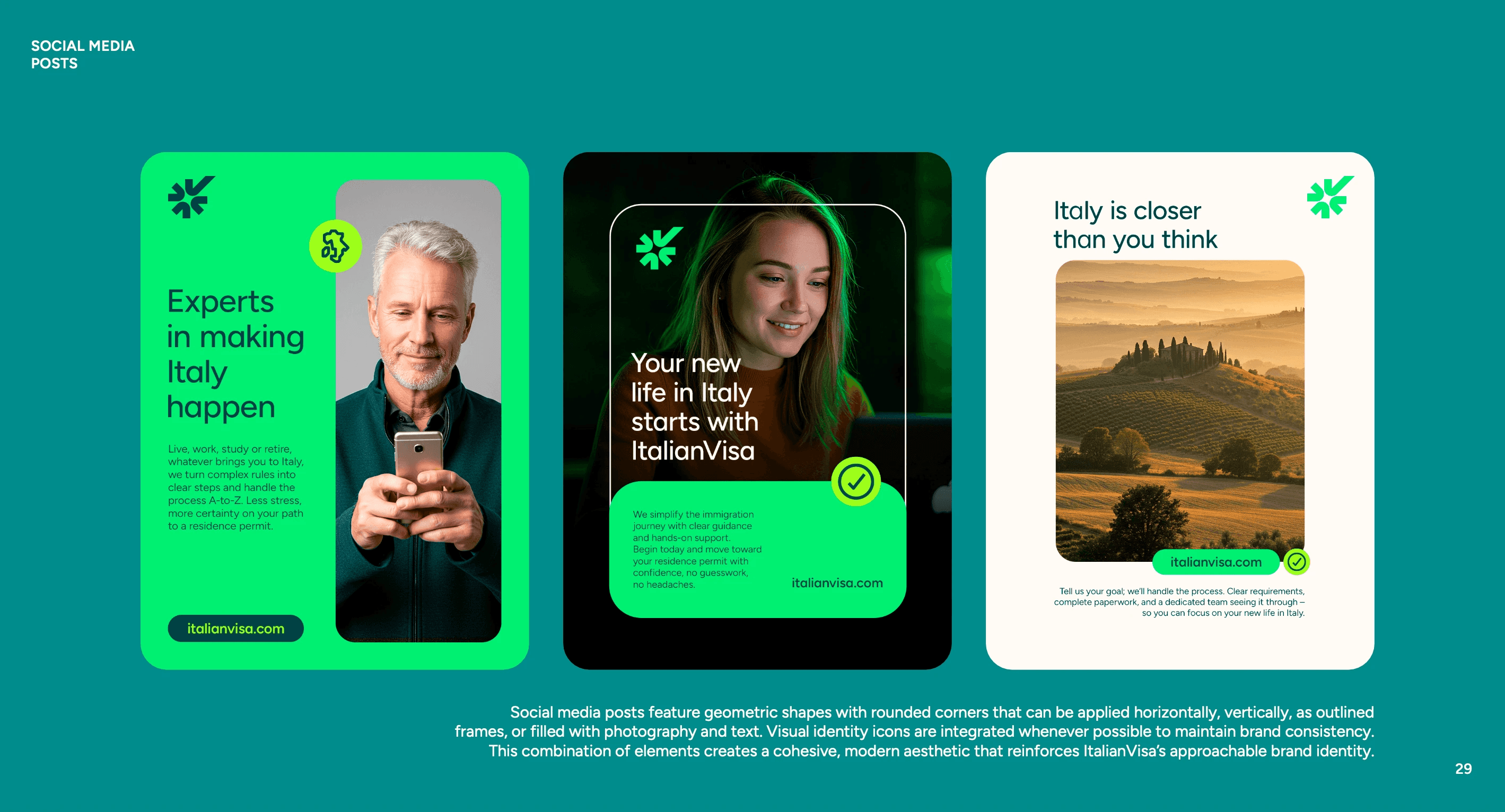
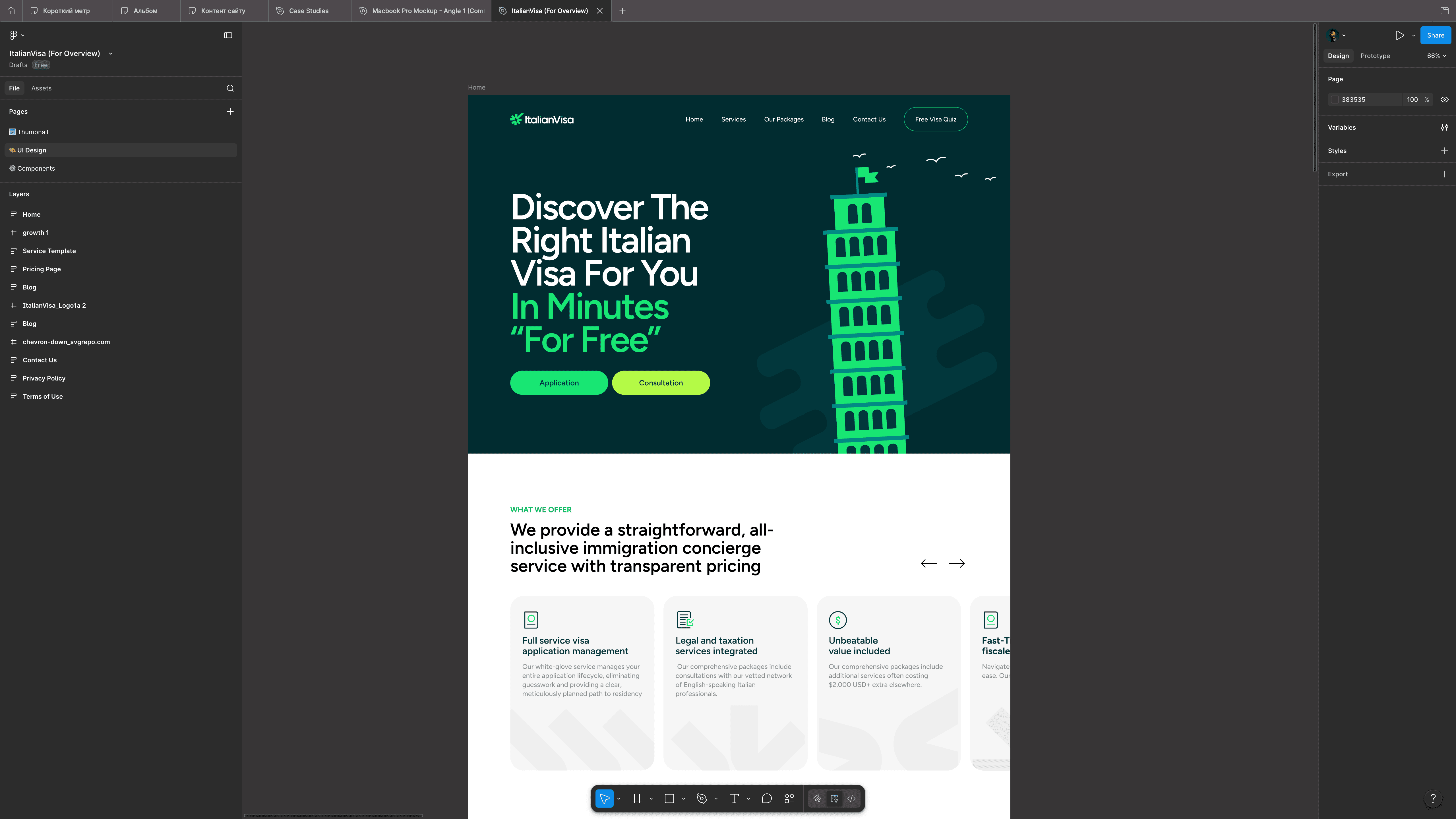
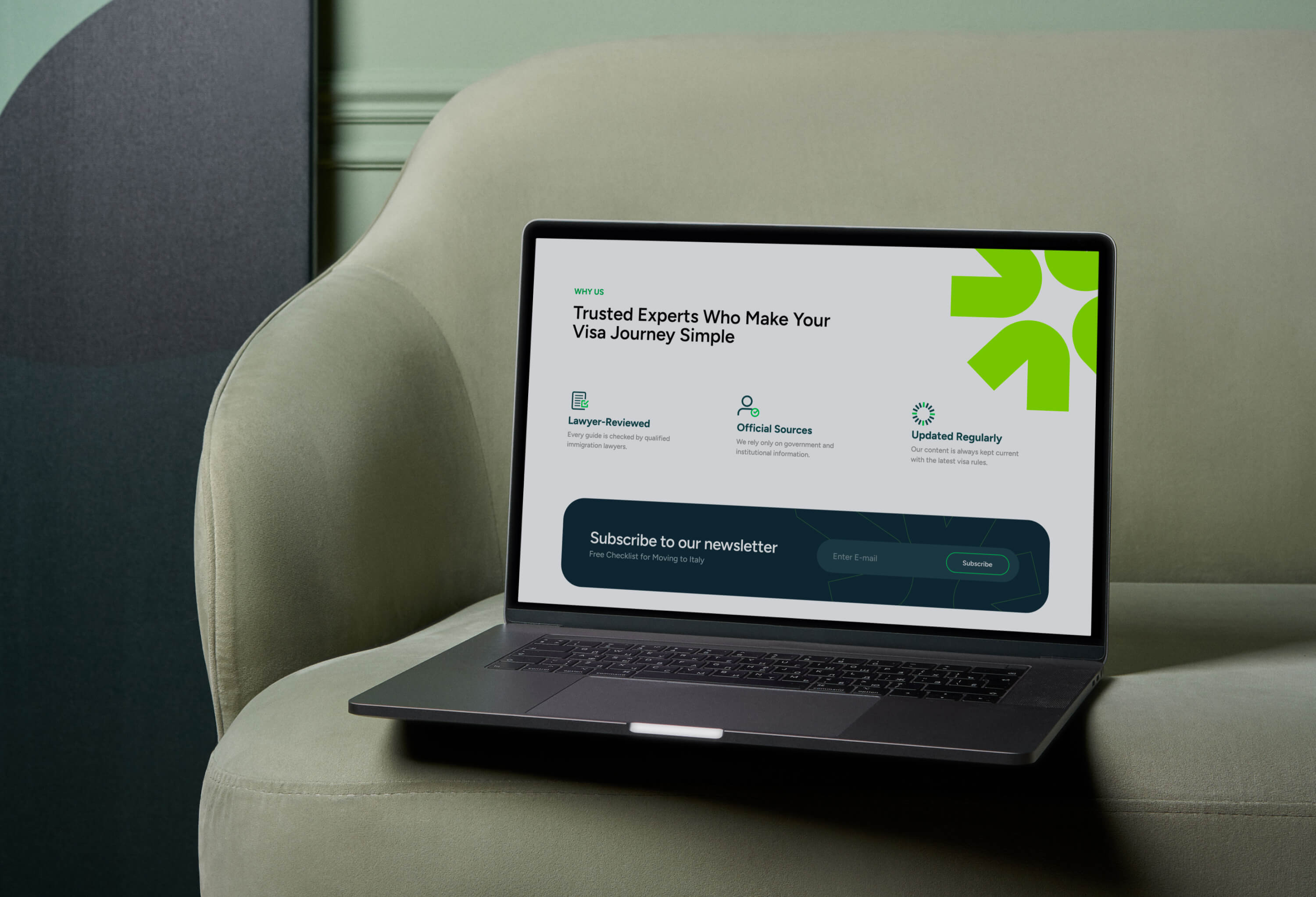
I focused on building a clear visual hierarchy that could support complex information without overwhelming the user. Typography, spacing, and layout were used to improve readability and guide attention toward key actions, especially the consultation booking CTA.
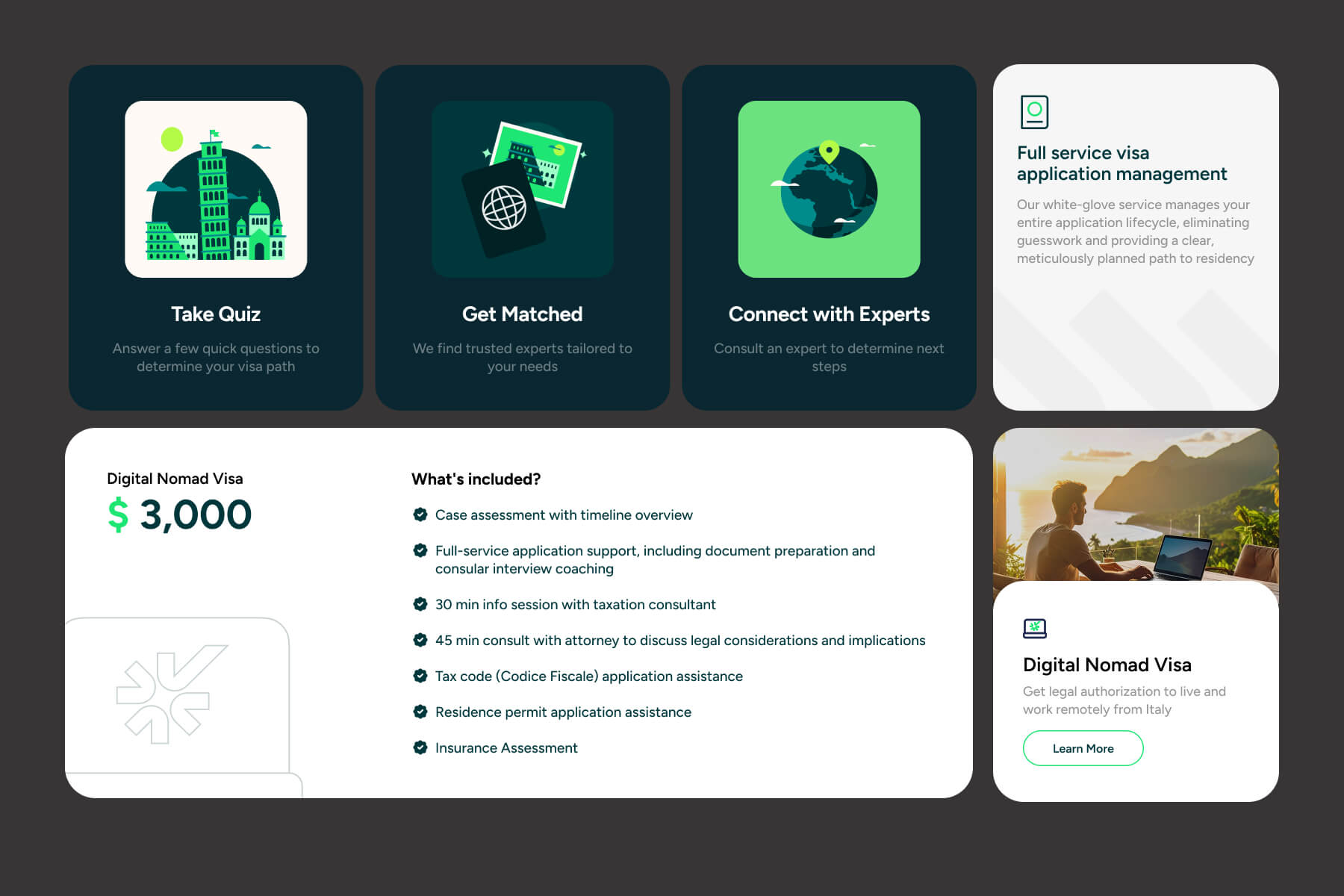
The visual language was extended through carefully applied graphic elements, icons, and subtle stylistic details from the brand guidelines. The goal was not to redesign the identity, but to reinforce it in a way that felt natural within a web experience.
implementation
In the implementation phase, I translated the final design into a fully responsive Webflow build. The focus was on accurately recreating the visual system while ensuring the layout remained consistent across different breakpoints and screen sizes.
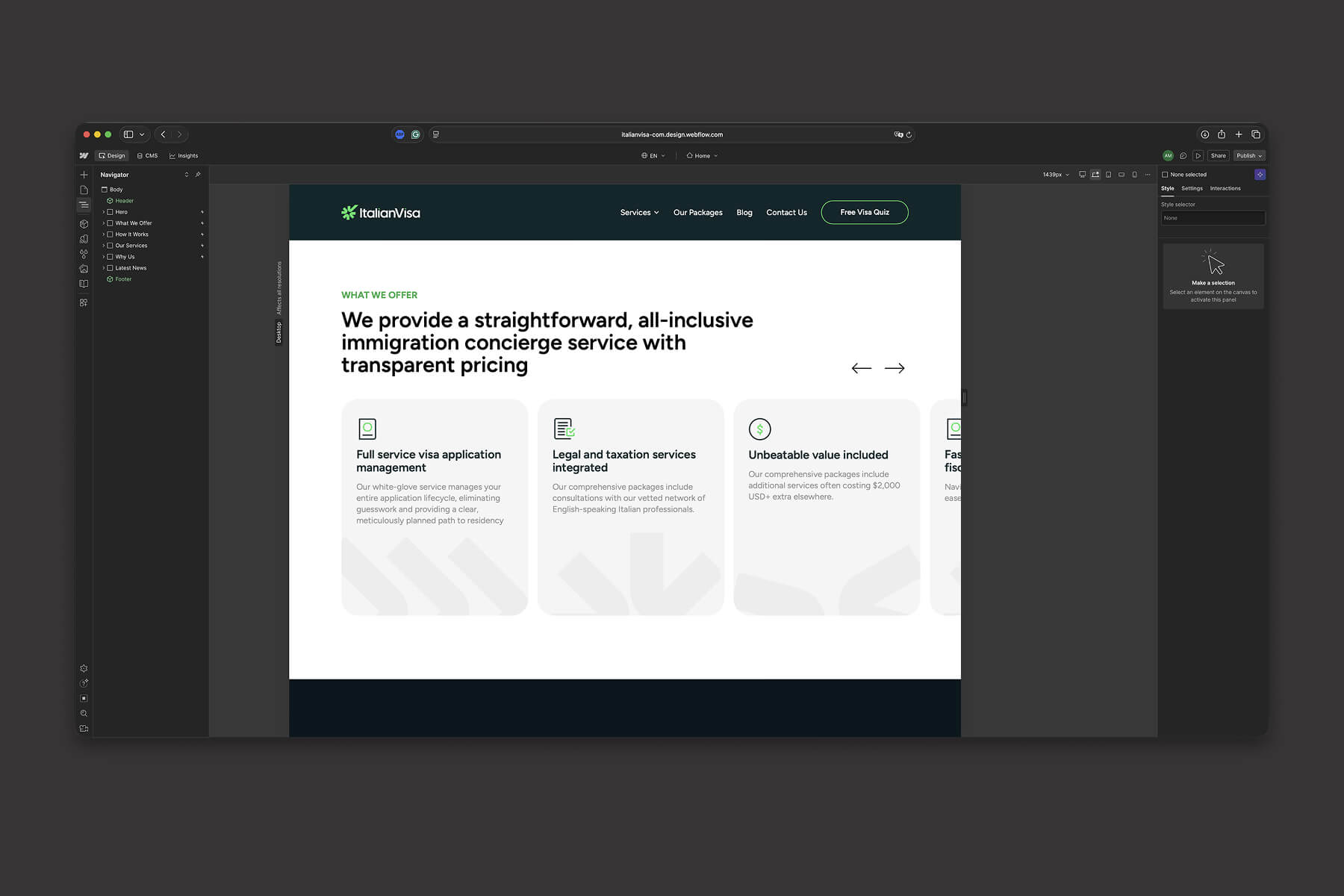
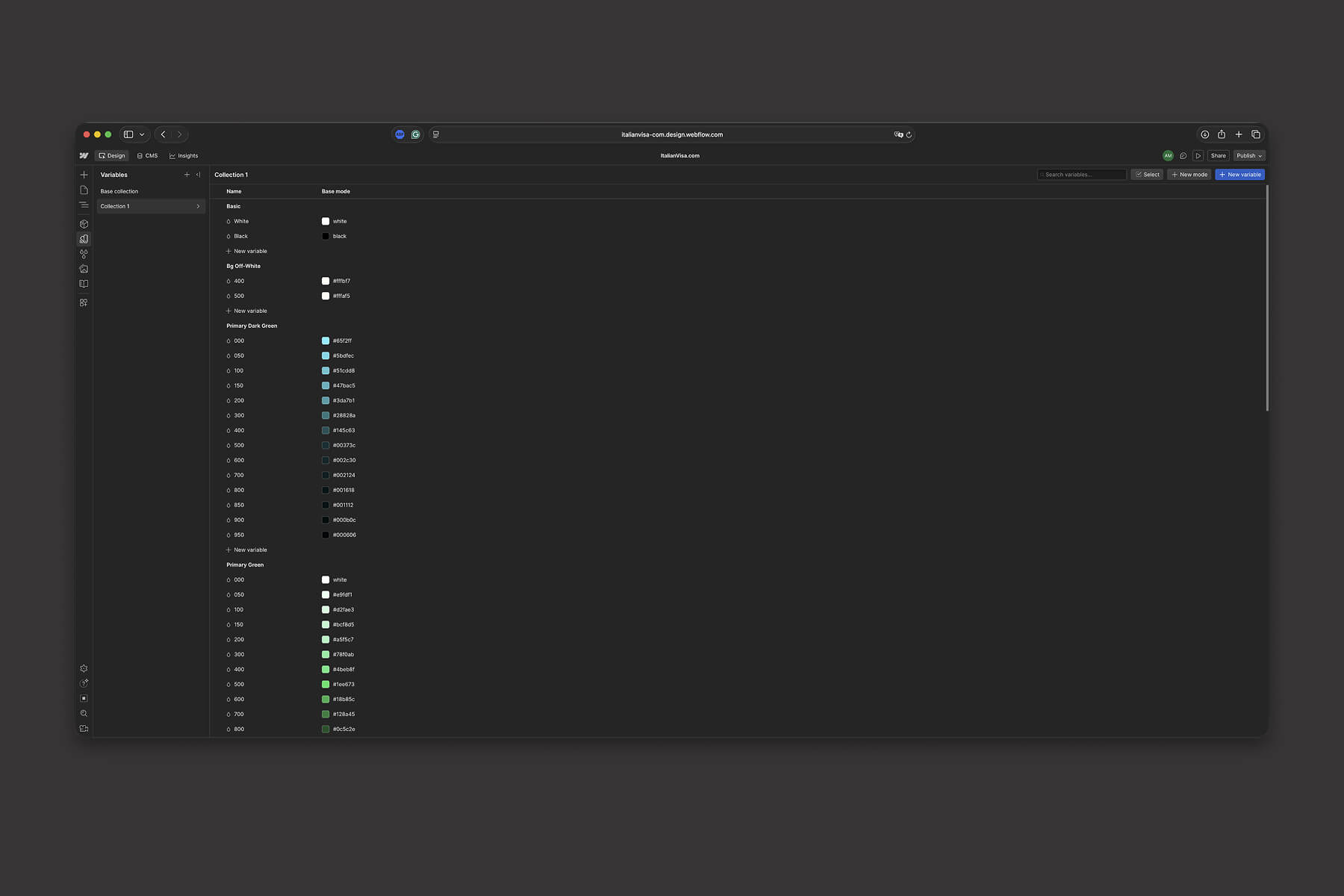
Since the Figma file was properly structured from the beginning — using variables, components, and a consistent naming system — this setup significantly sped up the development process. The same design logic was carried over into Webflow, where variables and reusable styles helped maintain visual consistency and reduced the need for manual adjustments during implementation.
At this stage, the main priority was to ensure pixel-perfect implementation of the design while maintaining performance, responsiveness, and layout stability across devices. The result was a consistent and reliable web experience that closely matched the original design vision.
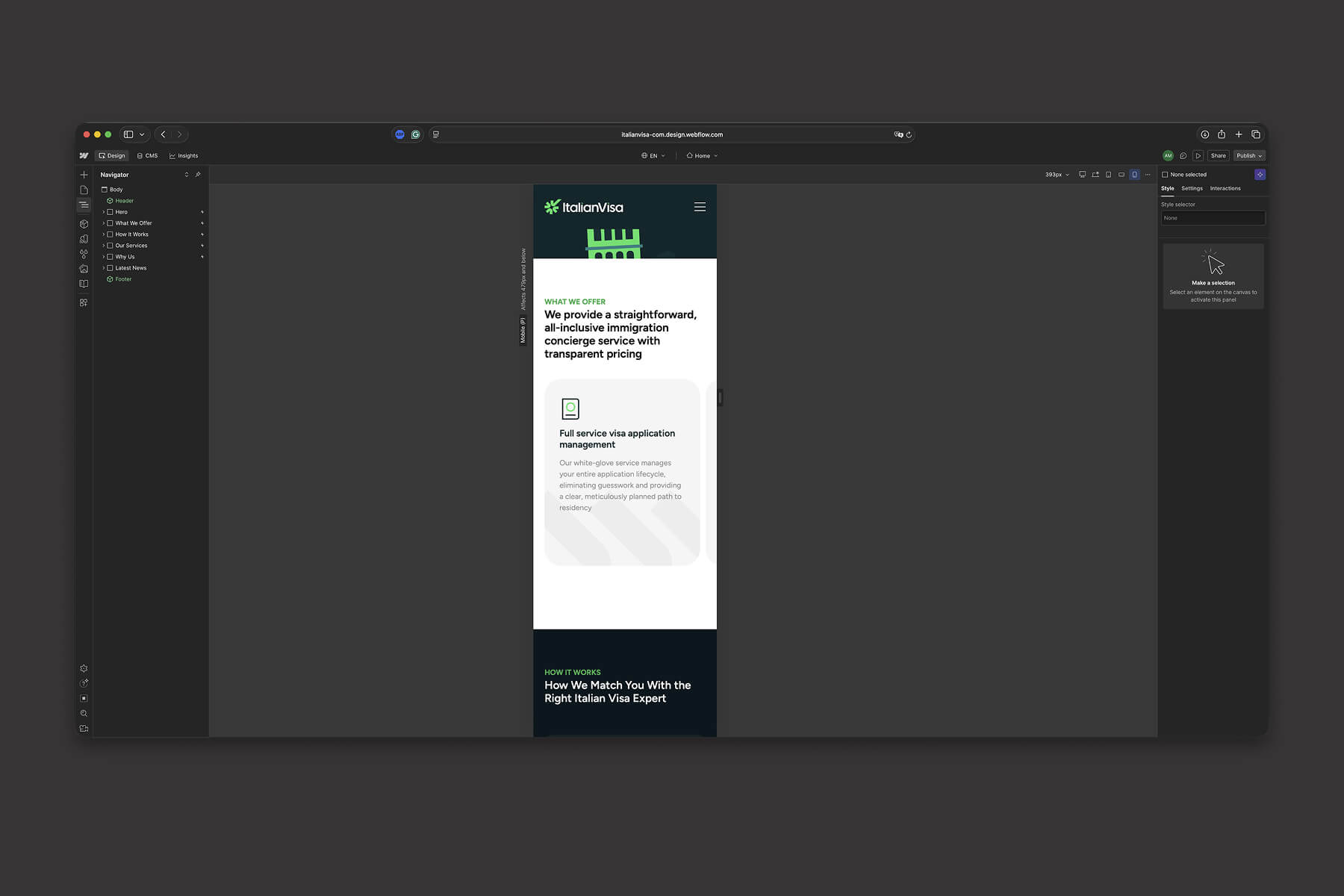
I also worked on subtle motion and micro-interactions to make the website feel more alive and engaging. This included text reveal animations, smooth section transitions, and light interactive feedback across key elements.
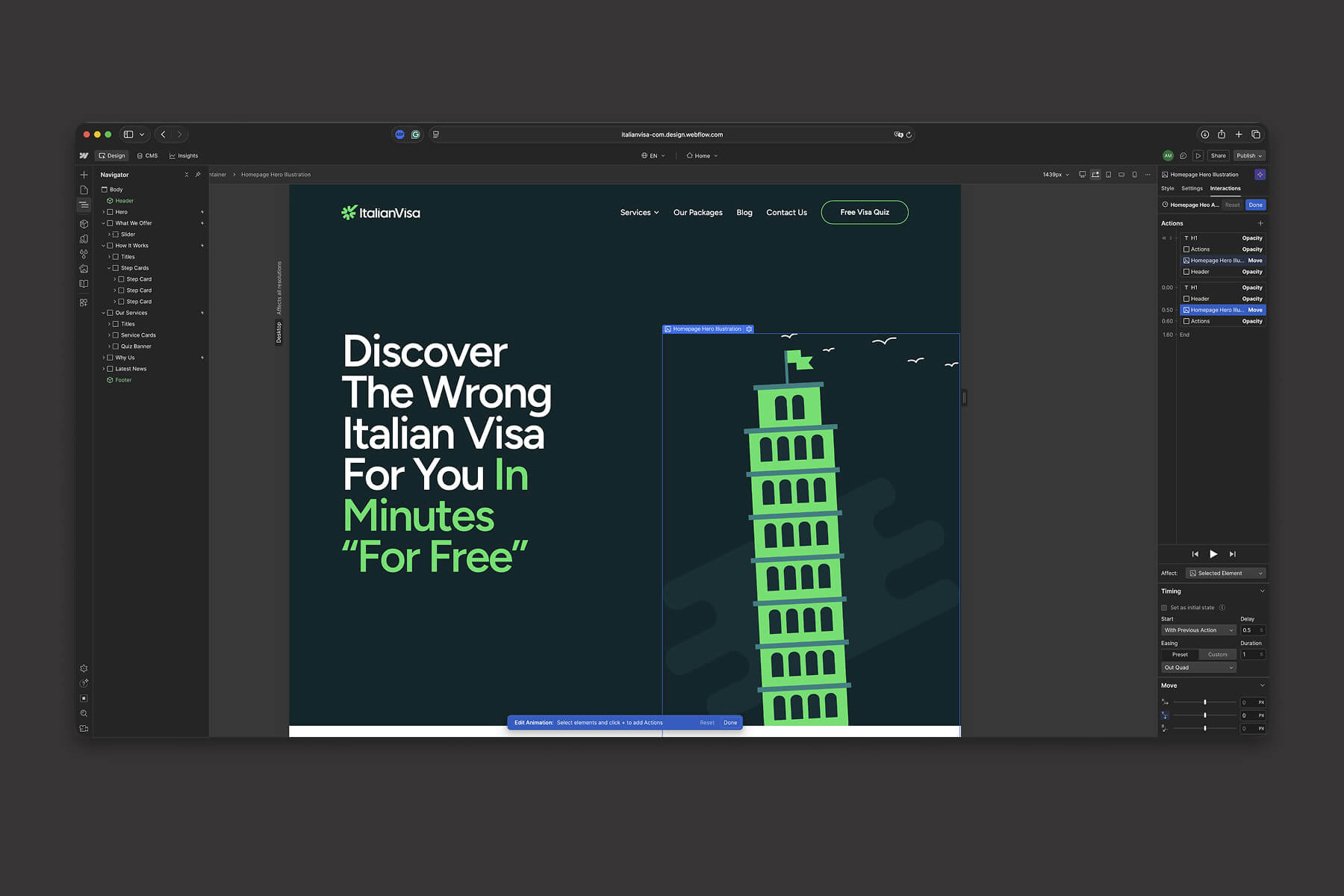
The goal was not to overload the experience with motion, but to add just enough dynamism to support the content and guide user attention naturally. These small details helped the interface feel more modern, responsive, and polished, while still maintaining clarity and readability throughout the experience.
CMS setup
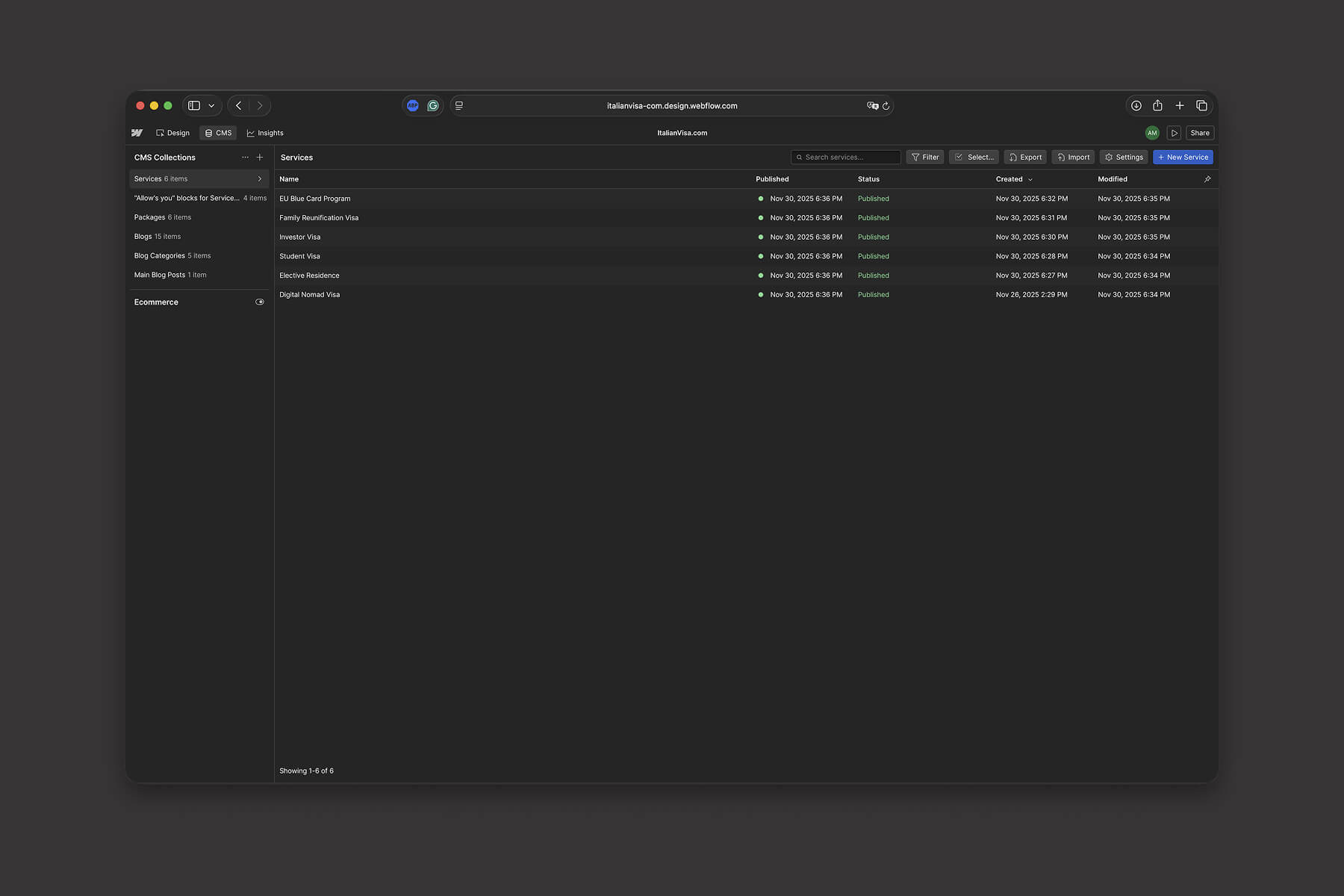
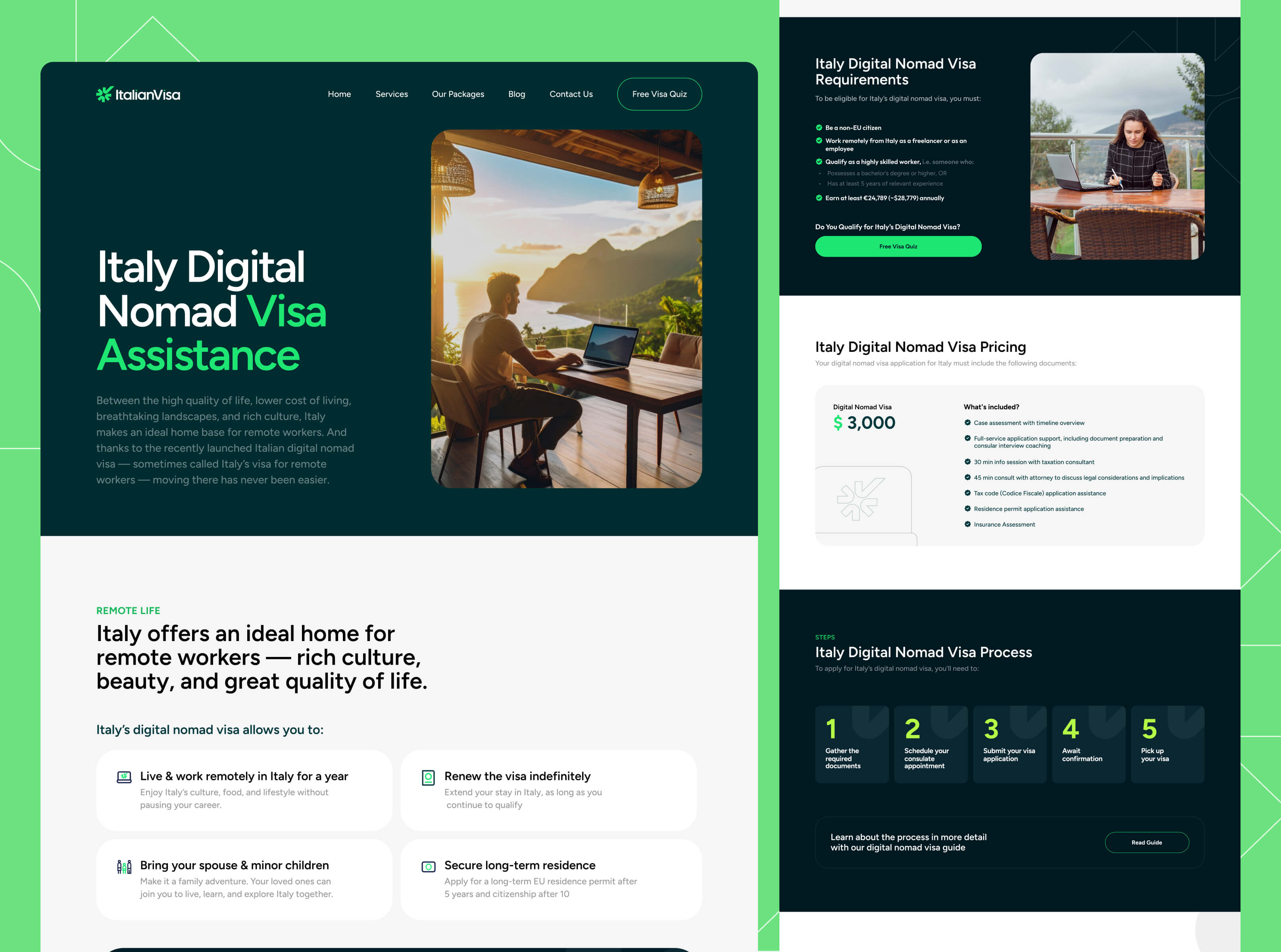
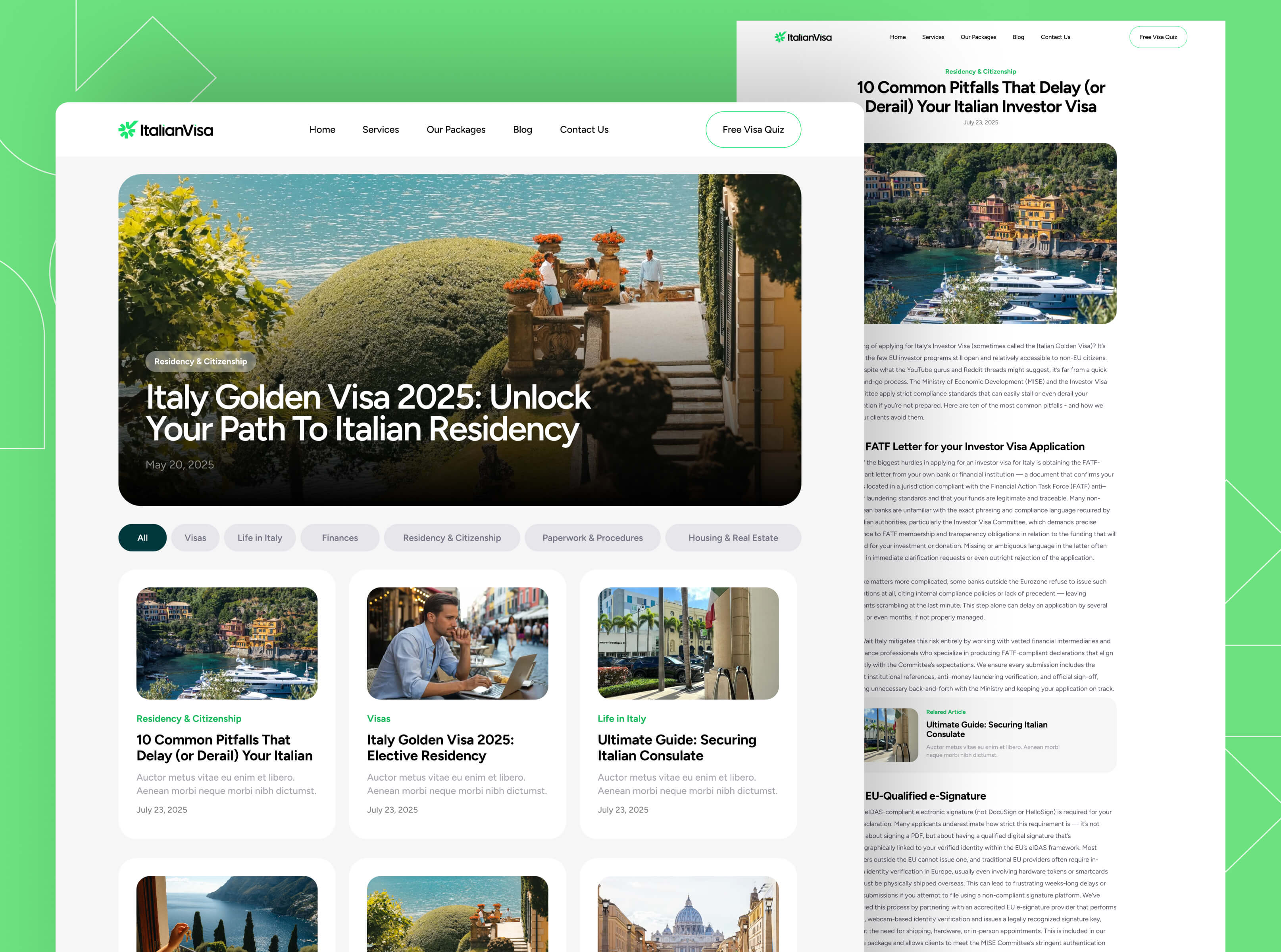
In the CMS implementation phase, I structured dynamic collections for both services and the blog, as well as additional relational collections that could be used as multi-references within individual service pages. This allowed for a flexible content system where different types of information could be connected and reused across the platform without duplication.
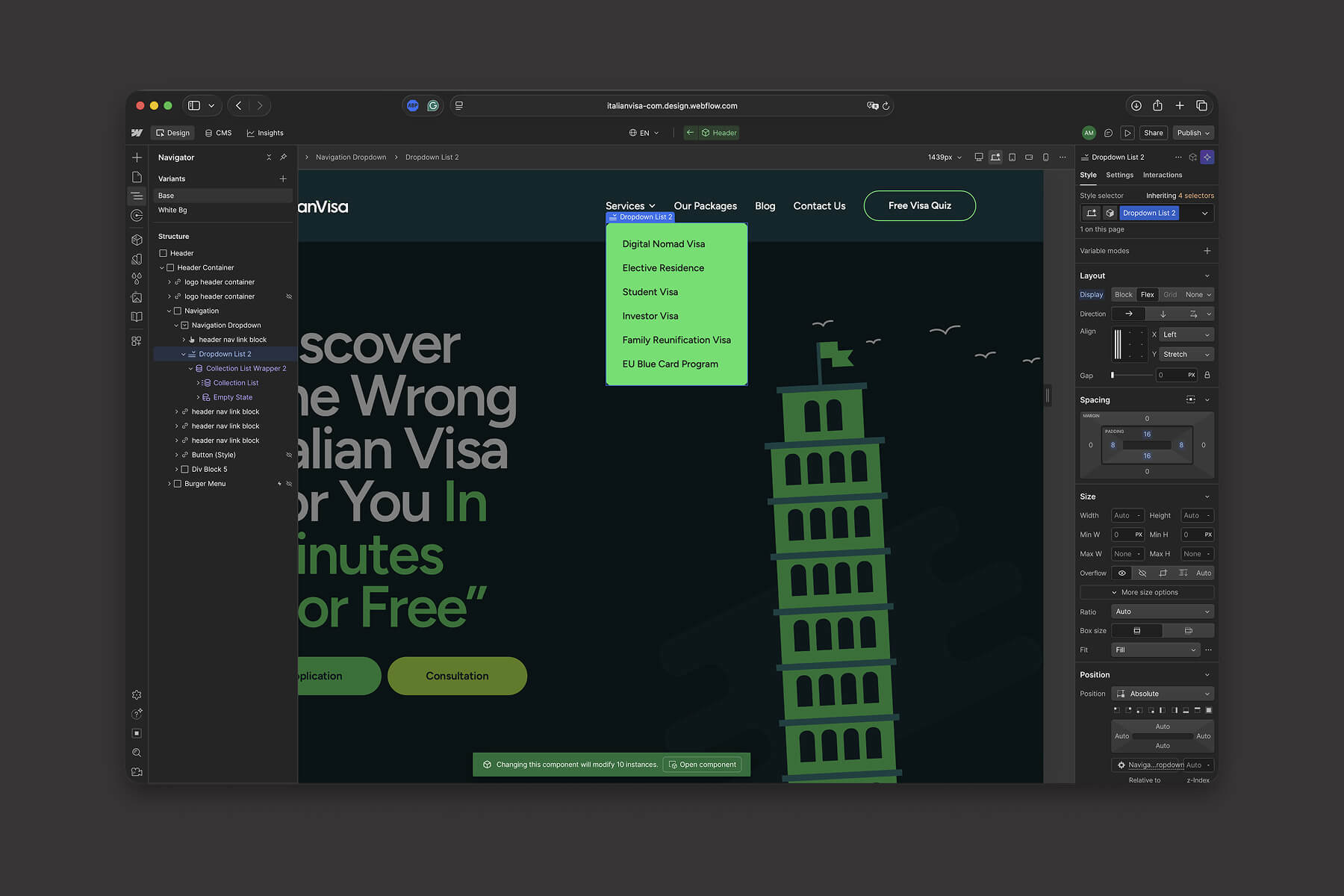
The services dropdown in the navigation was also fully connected to the services collection. This ensures that any future additions or changes to services will automatically be reflected in the navigation, eliminating the need for manual code updates and reducing maintenance overhead for the client.
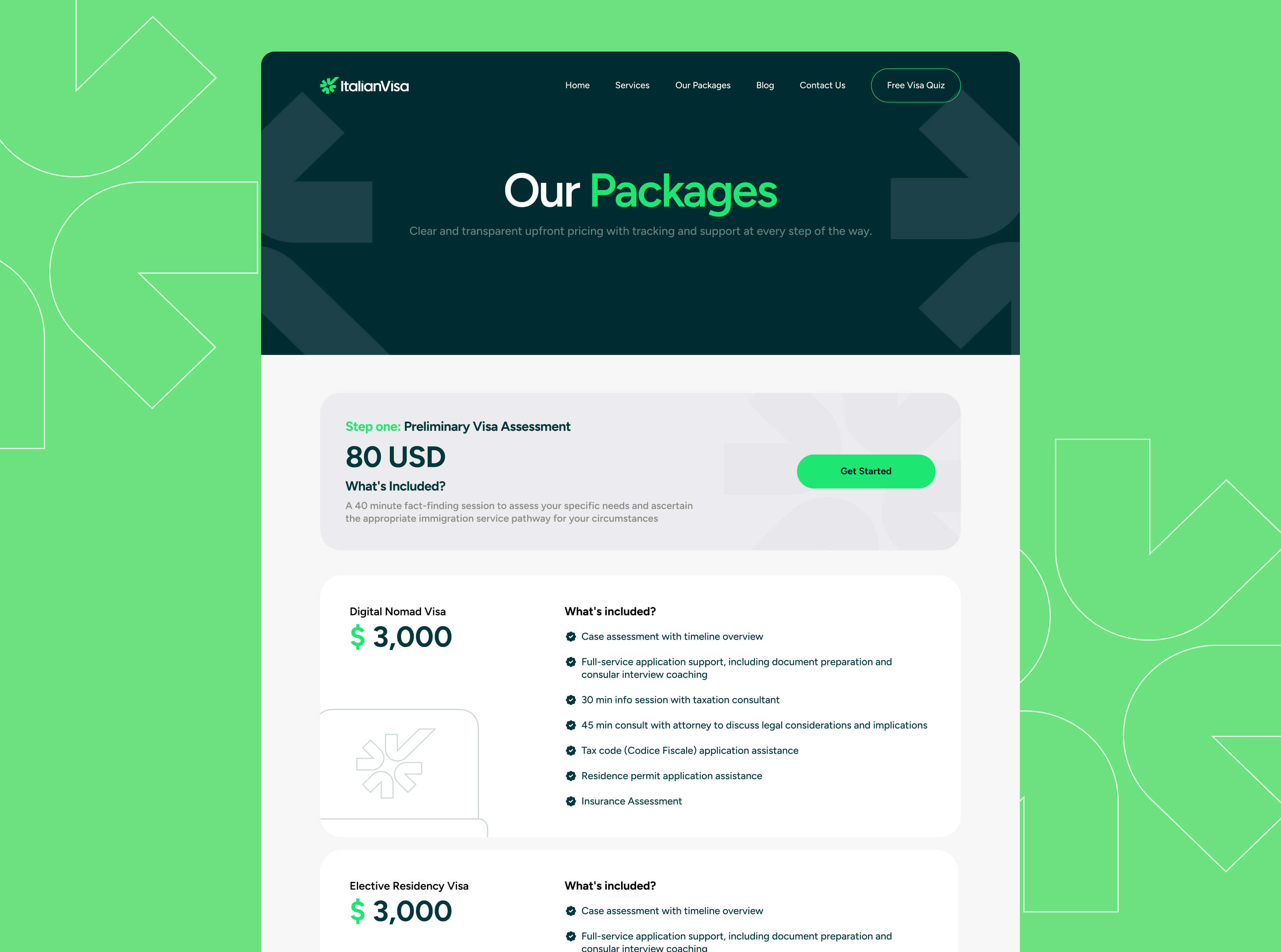
The CMS was designed to be as user-friendly and scalable as possible, allowing the client to manage content independently without any technical knowledge. Even more complex page structures were accounted for, enabling the addition of modular content blocks such as benefits, pricing packages, required documents, and other service-specific sections in a structured and intuitive way.
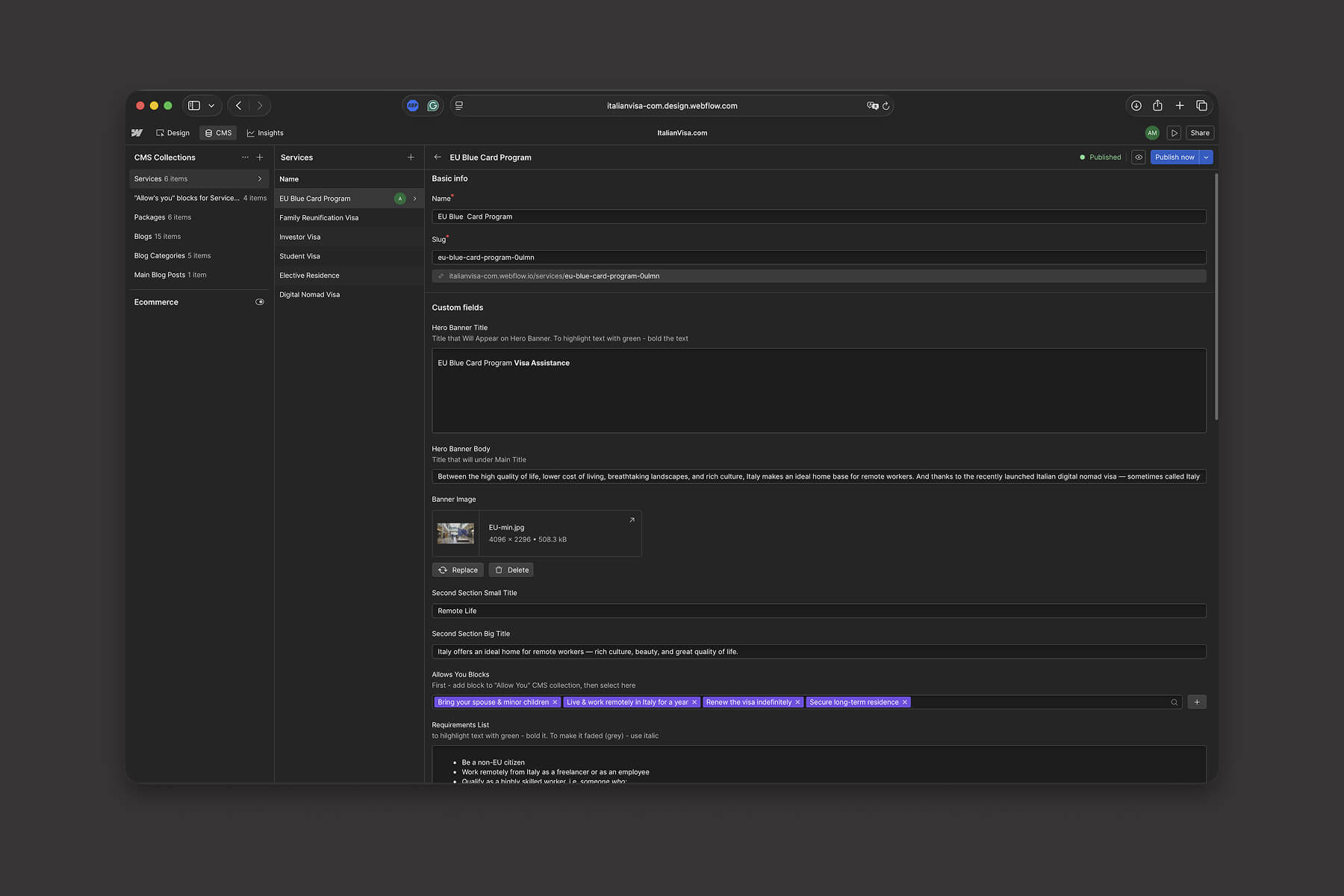
Overall, the CMS setup transformed the website into a flexible system that can easily evolve over time while remaining easy to manage on the client side.
refinement & launch
In the refinement and launch phase, I focused on polishing the overall experience and ensuring everything was consistent across design, development, and CMS logic. This included reviewing layouts across breakpoints, refining spacing and typography details, and fixing small UX inconsistencies that appeared during implementation.
Special attention was given to improving clarity in key conversion areas, such as service pages and consultation booking flows, ensuring that users could reach the main CTA without friction and fully understand the value proposition.
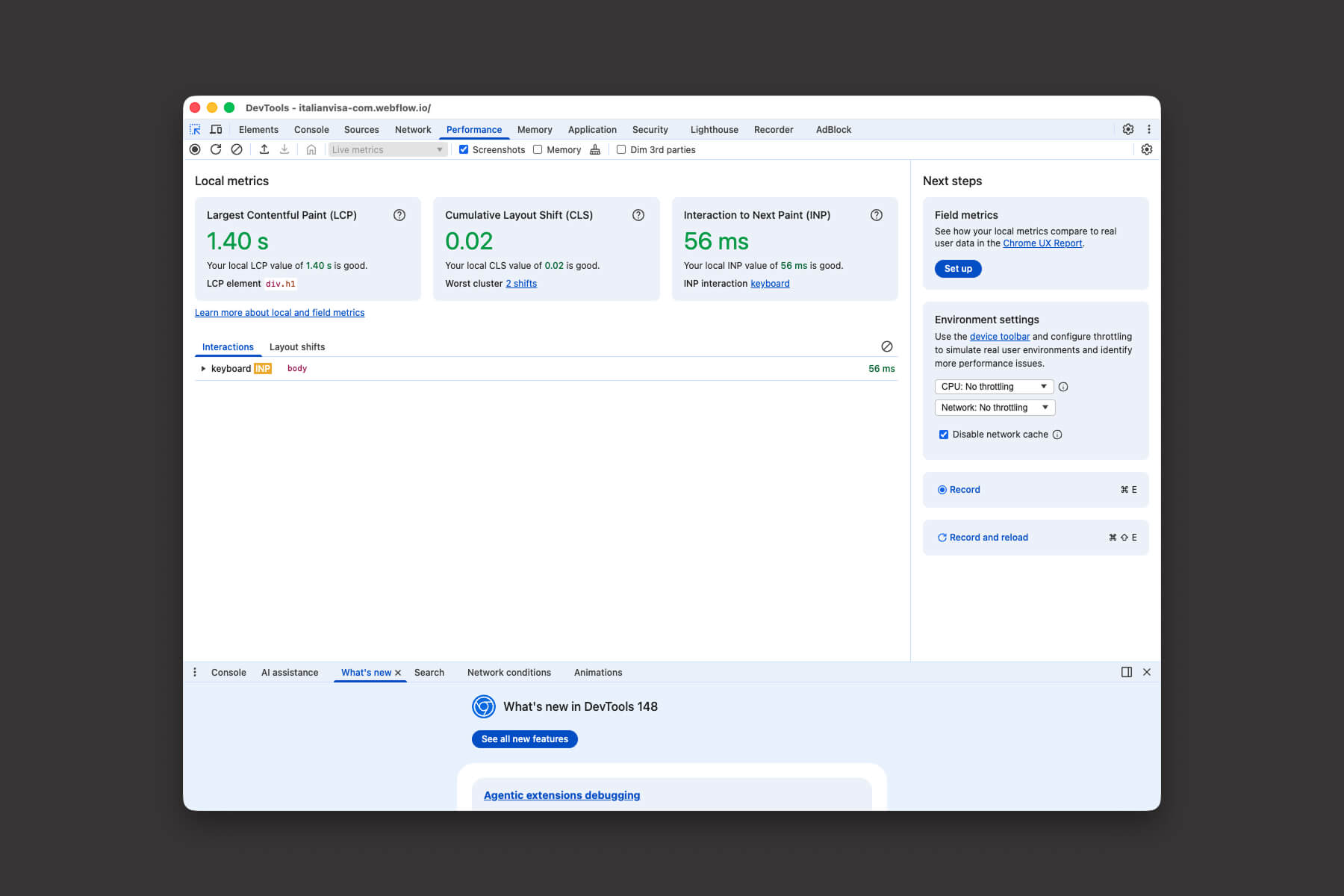
I also performed final QA across the CMS structure, testing how dynamic content behaves in real scenarios — especially for services, blog posts, and interconnected page elements — to make sure everything scales correctly without breaking layout or logic.
overcomes
After launch, the main focus was on stability and user experience consistency. The system proved to be flexible and easy to maintain, allowing the client to update content independently while keeping the design intact. Overall, the final result is a clean, scalable platform that successfully combines clarity, conversion focus, and long-term maintainability.
link
role
Web Developer & Designer
industry
Immigration services
duration
2,5 weeks
tools
Webflow, Figma
project gallery
see also