00

Mobile App

UI/UX & Product Design

UI/UX & Product Design

nanogas

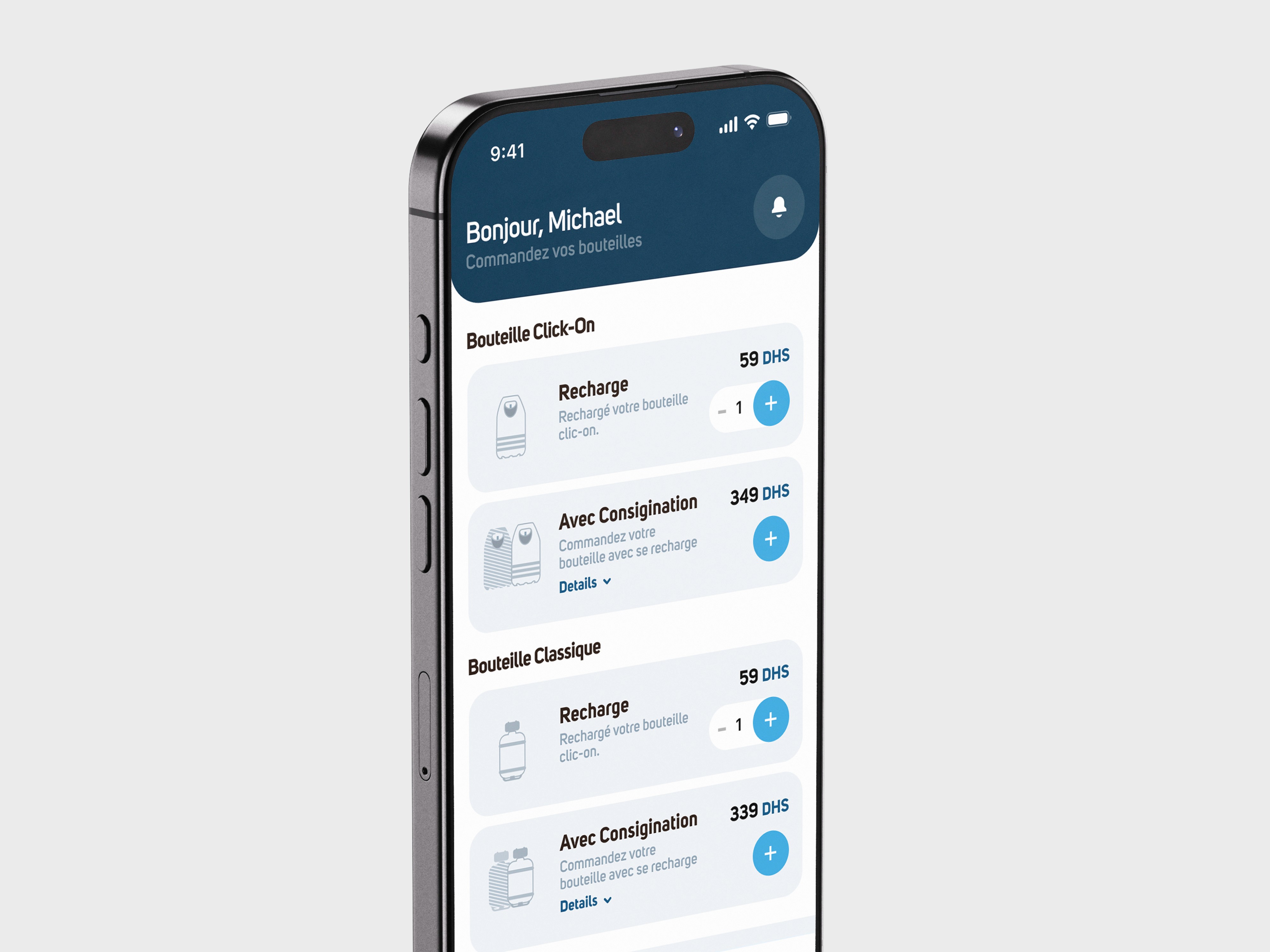
nanogas is a mobile platform for on-demand gas delivery that combines real-time ordering, delivery tracking, digital payments, and operational management into a seamless ecosystem for customers and drivers. The platform includes both the customer-facing experience and a dedicated delivery-side application, allowing users to order gas in just a few taps while drivers receive optimized delivery flows, order management tools, and real-time navigation support.

challange

One of the main challenges was redesigning a utility-focused delivery service into an experience that feels fast, reliable, and easy to use in time-sensitive situations. Gas delivery is often an urgent need rather than a casual purchase, meaning users expect minimal friction, clear status visibility, and trust throughout the ordering process. At the same time, the product needed to support both customer and delivery-side workflows inside a connected ecosystem. Another major challenge was balancing operational complexity with interface simplicity. The delivery side required tools for route management, order handling, status updates, and navigation, while the customer side needed a lightweight and intuitive experience focused on speed and clarity. Both sides had to stay synchronized in real time without overwhelming users with unnecessary information

One of the main challenges was redesigning a utility-focused delivery service into an experience that feels fast, reliable, and easy to use in time-sensitive situations. Gas delivery is often an urgent need rather than a casual purchase, meaning users expect minimal friction, clear status visibility, and trust throughout the ordering process. At the same time, the product needed to support both customer and delivery-side workflows inside a connected ecosystem. Another major challenge was balancing operational complexity with interface simplicity. The delivery side required tools for route management, order handling, status updates, and navigation, while the customer side needed a lightweight and intuitive experience focused on speed and clarity. Both sides had to stay synchronized in real time without overwhelming users with unnecessary information

One of the main challenges was redesigning a utility-focused delivery service into an experience that feels fast, reliable, and easy to use in time-sensitive situations. Gas delivery is often an urgent need rather than a casual purchase, meaning users expect minimal friction, clear status visibility, and trust throughout the ordering process. At the same time, the product needed to support both customer and delivery-side workflows inside a connected ecosystem. Another major challenge was balancing operational complexity with interface simplicity. The delivery side required tools for route management, order handling, status updates, and navigation, while the customer side needed a lightweight and intuitive experience focused on speed and clarity. Both sides had to stay synchronized in real time without overwhelming users with unnecessary information

solution

The solution was to design a role-based system with separate but connected interfaces for customers and delivery drivers. The customer experience prioritizes fast ordering, live delivery tracking, and simplified payment flows, while the delivery application focuses on operational efficiency through structured task management, optimized delivery states, and quick-access navigation tools. Special attention was also given to status communication and transparency across the system. Clear delivery states, progress indicators, and real-time updates were integrated throughout the experience to reduce uncertainty and create a stronger sense of reliability during the delivery process.

The solution was to design a role-based system with separate but connected interfaces for customers and delivery drivers. The customer experience prioritizes fast ordering, live delivery tracking, and simplified payment flows, while the delivery application focuses on operational efficiency through structured task management, optimized delivery states, and quick-access navigation tools. Special attention was also given to status communication and transparency across the system. Clear delivery states, progress indicators, and real-time updates were integrated throughout the experience to reduce uncertainty and create a stronger sense of reliability during the delivery process.

The solution was to design a role-based system with separate but connected interfaces for customers and delivery drivers. The customer experience prioritizes fast ordering, live delivery tracking, and simplified payment flows, while the delivery application focuses on operational efficiency through structured task management, optimized delivery states, and quick-access navigation tools. Special attention was also given to status communication and transparency across the system. Clear delivery states, progress indicators, and real-time updates were integrated throughout the experience to reduce uncertainty and create a stronger sense of reliability during the delivery process.

how was the process going

discovery & analysis

The discovery phase focused on understanding how users interact with utility-based delivery services and where existing experiences create friction during urgent or routine ordering scenarios. The goal was to transform a traditionally functional service into a more modern, reliable, and operationally efficient digital product for both customers and delivery drivers

problem analysis

audience analysis

competitor research

final direction


ux structure

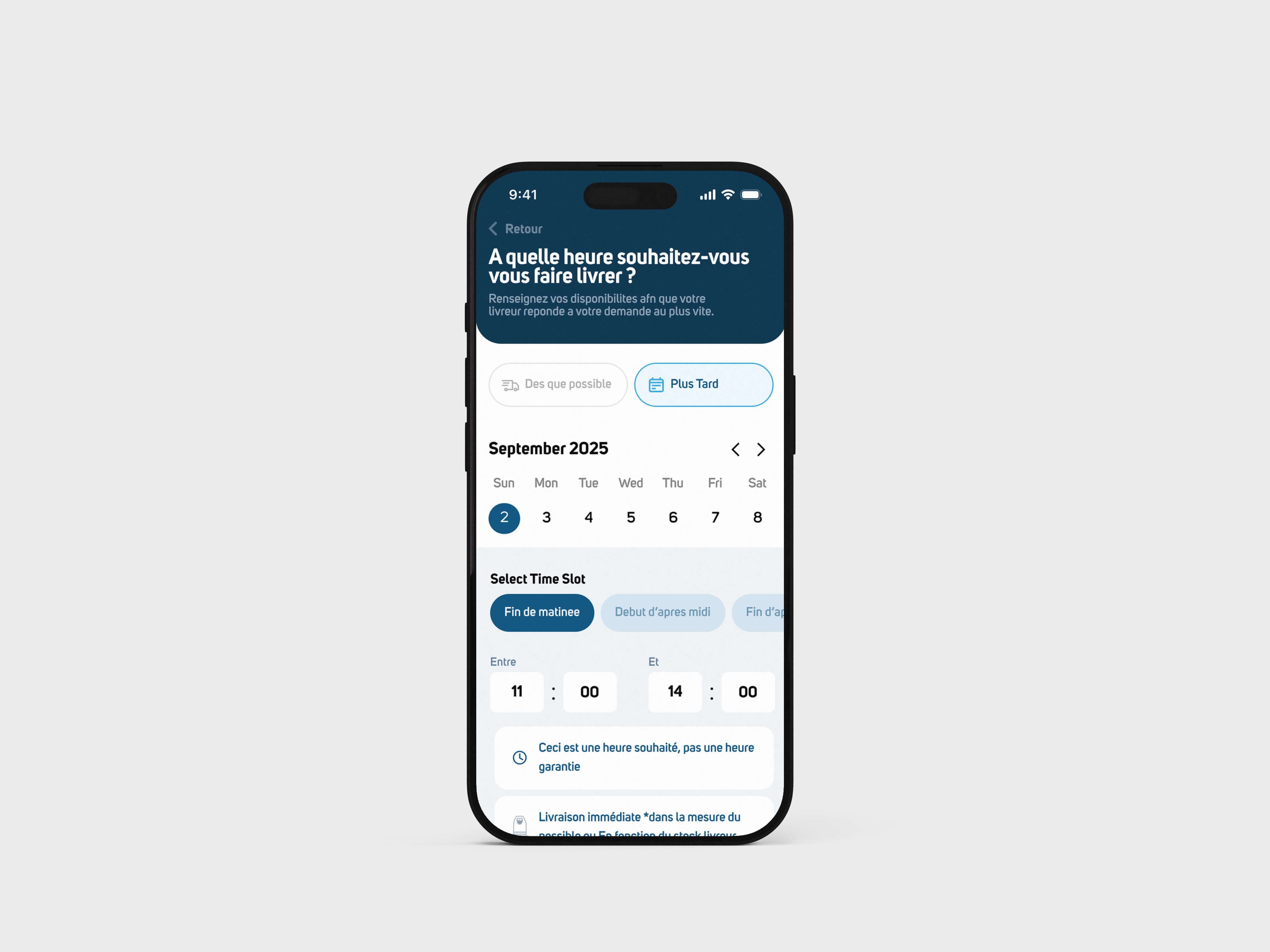
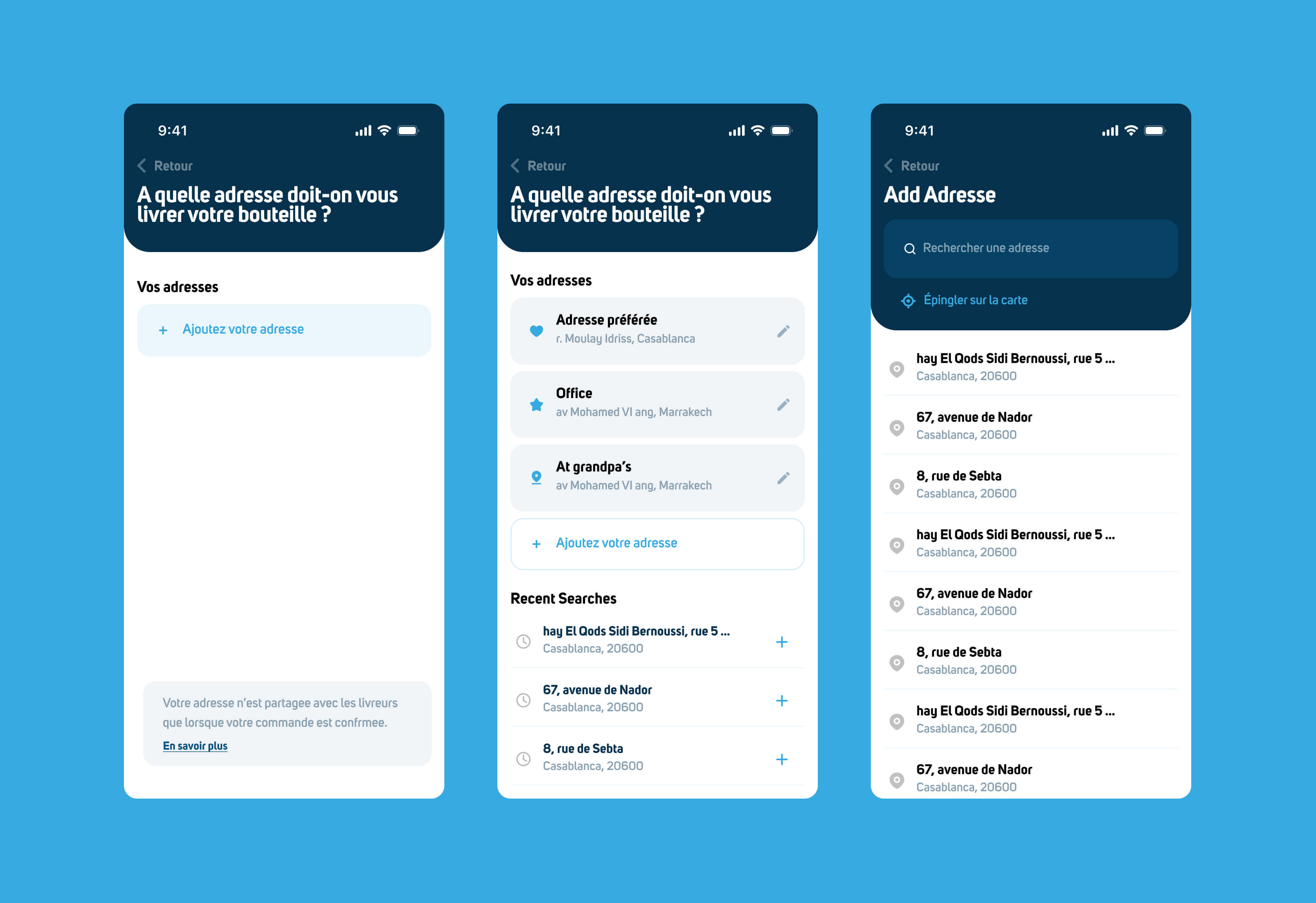
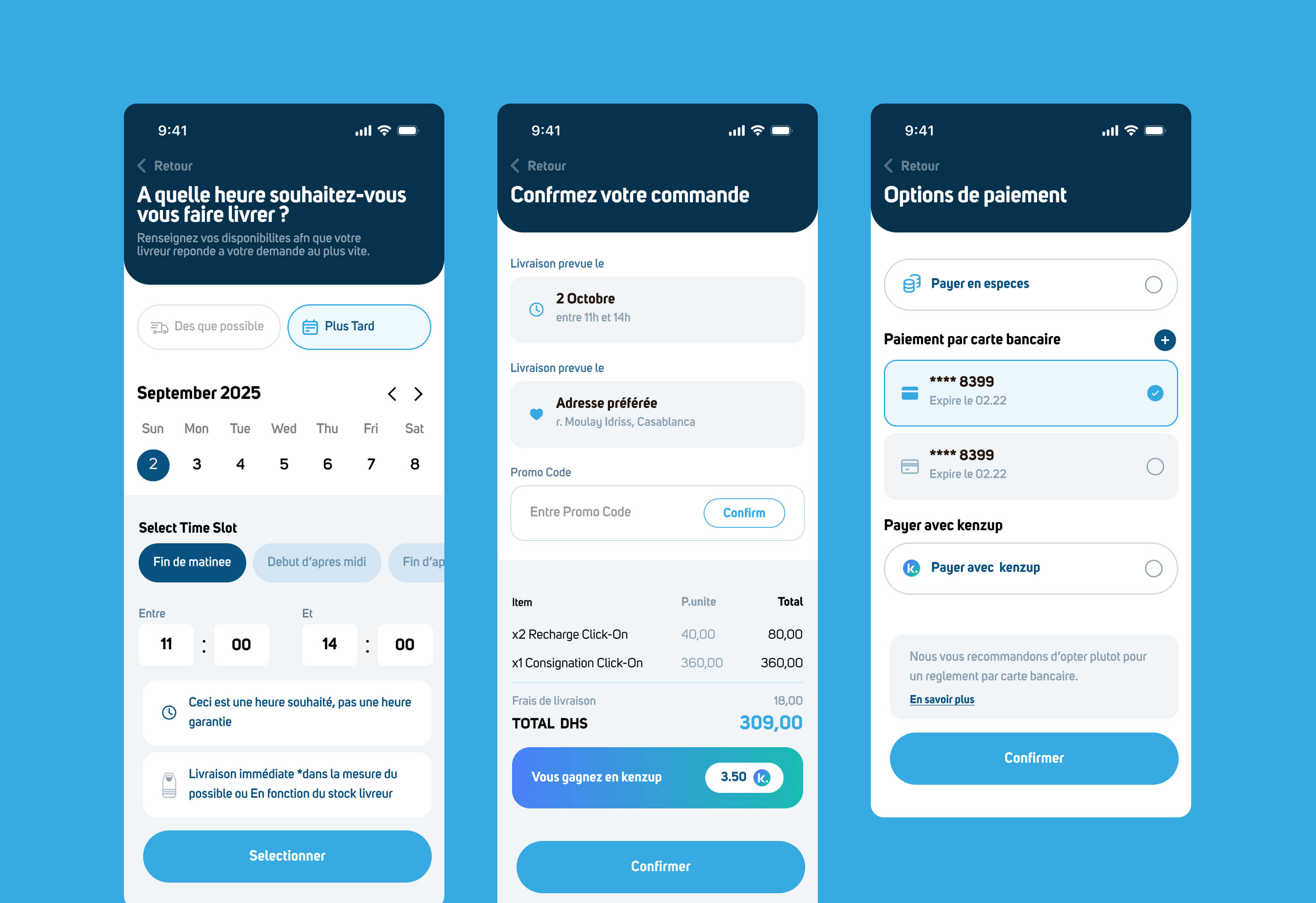
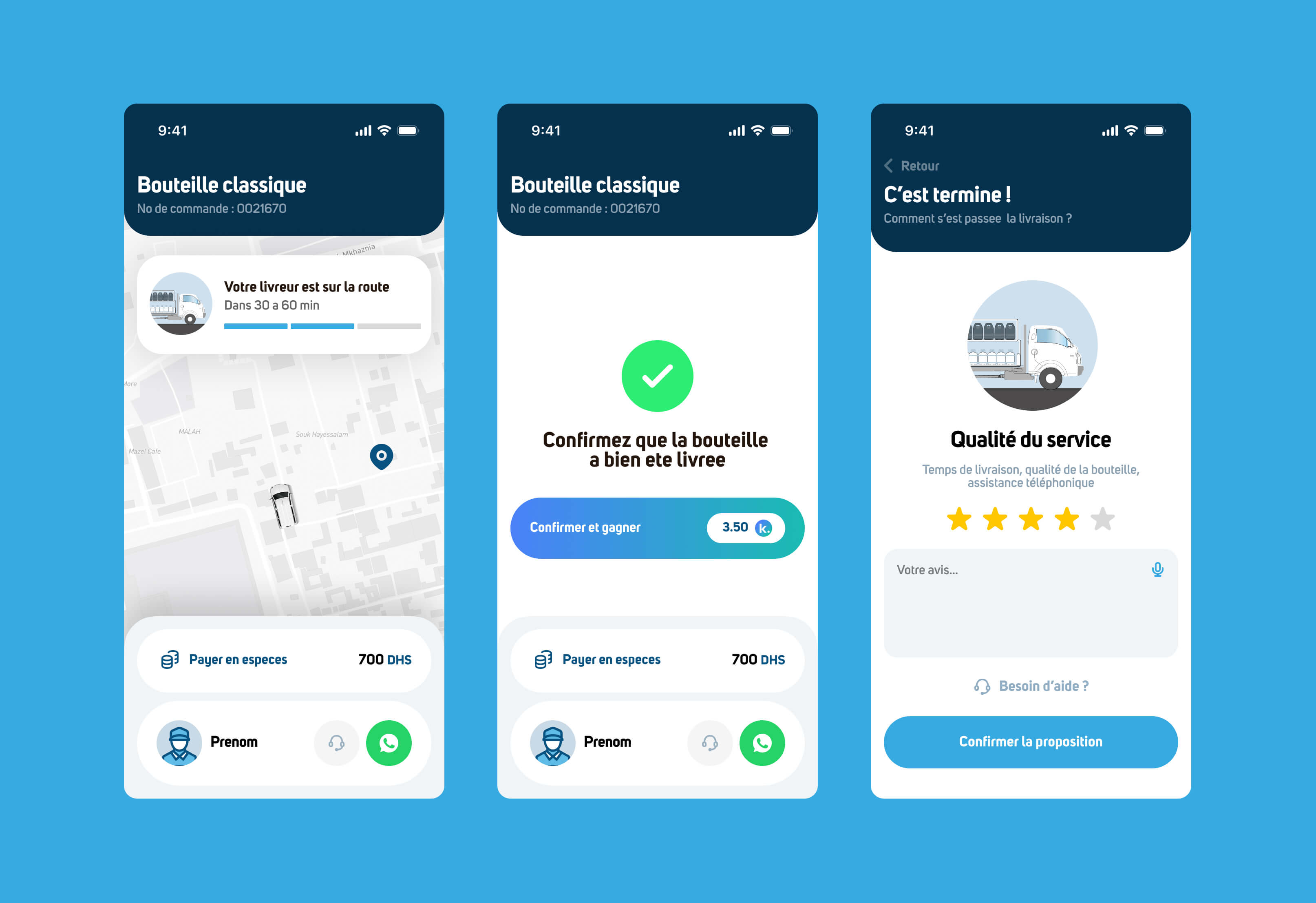
he UX structure was designed around speed, clarity, and real-time interaction between customers and delivery drivers. The primary user flow on the customer side focuses on quick ordering: selecting delivery details, confirming the order, tracking the driver in real time, and receiving status updates throughout the process.
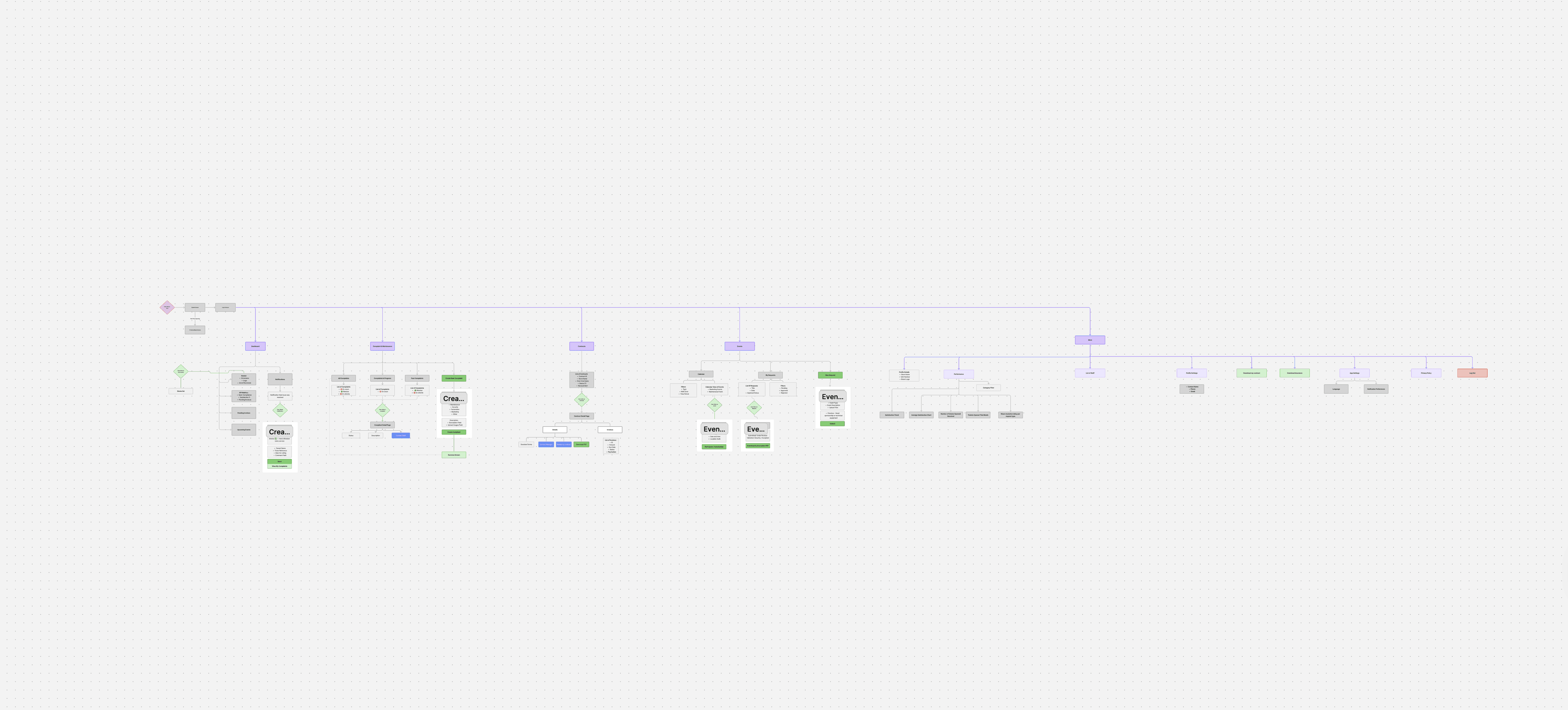
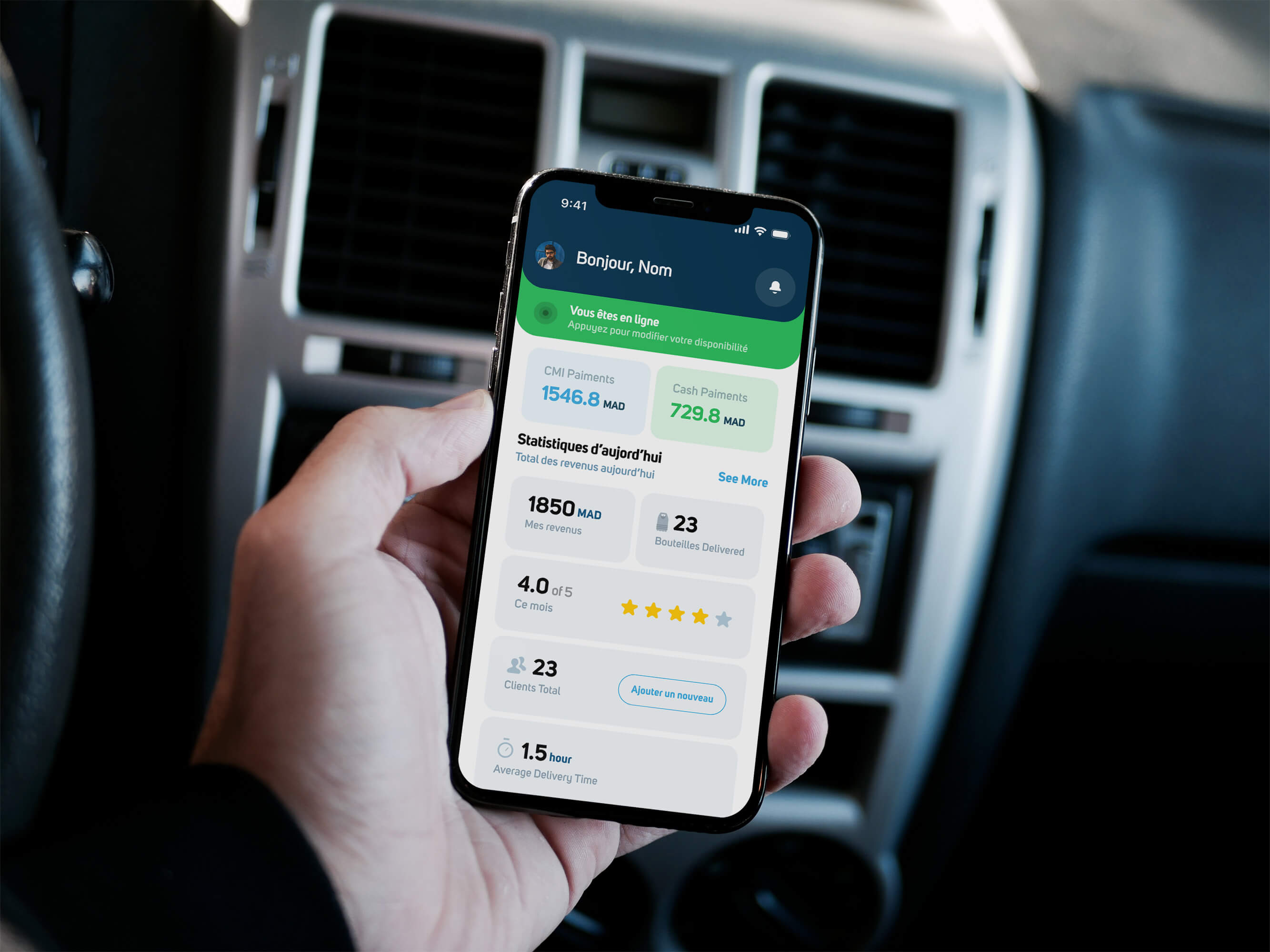
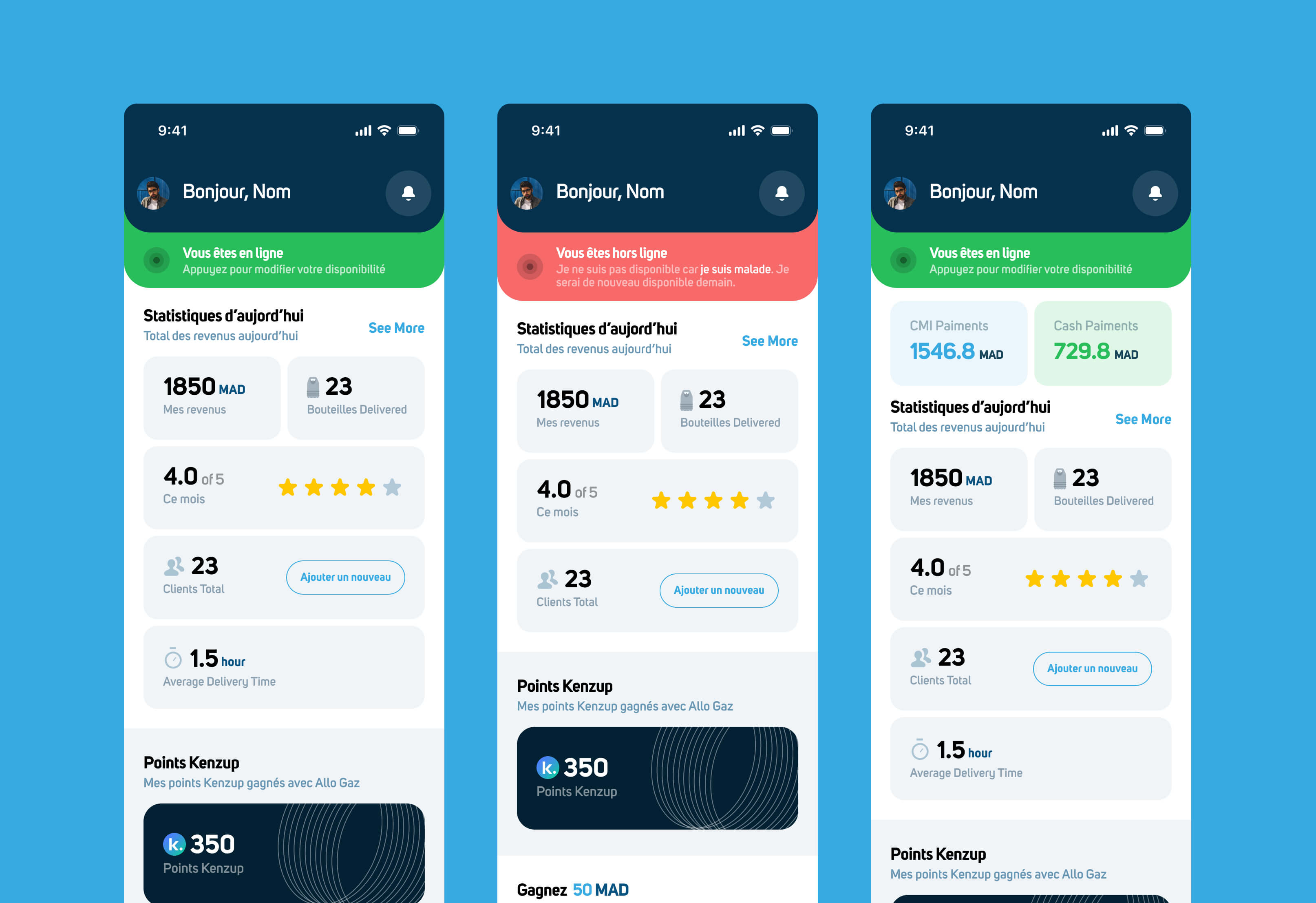
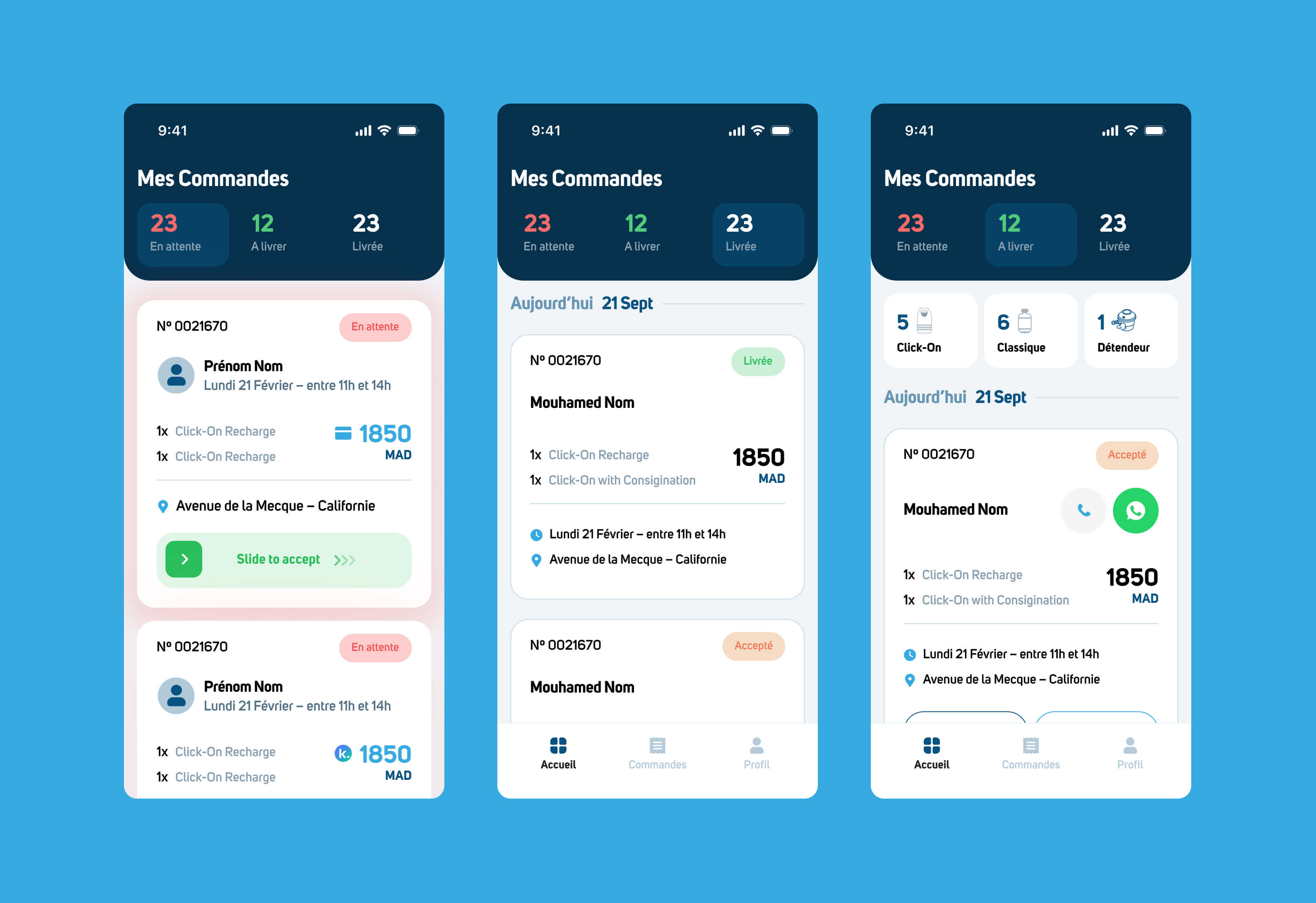
For drivers, the flow is centered around operational efficiency — receiving delivery requests, managing active orders, navigating routes, and updating delivery states with minimal interaction steps. Both sides of the platform remain synchronized in real time, ensuring transparent communication and reducing uncertainty during deliveries.


Special attention was given to simplifying navigation and minimizing friction, especially in urgent-use scenarios where users need to complete actions quickly and without confusion.


interface design


The interface design focused on creating a fast, trustworthy, and operationally clear experience for both customers and delivery drivers. Since the platform is used in time-sensitive situations, the visual system was designed to prioritize readability, quick actions, and real-time status visibility over decorative UI elements.
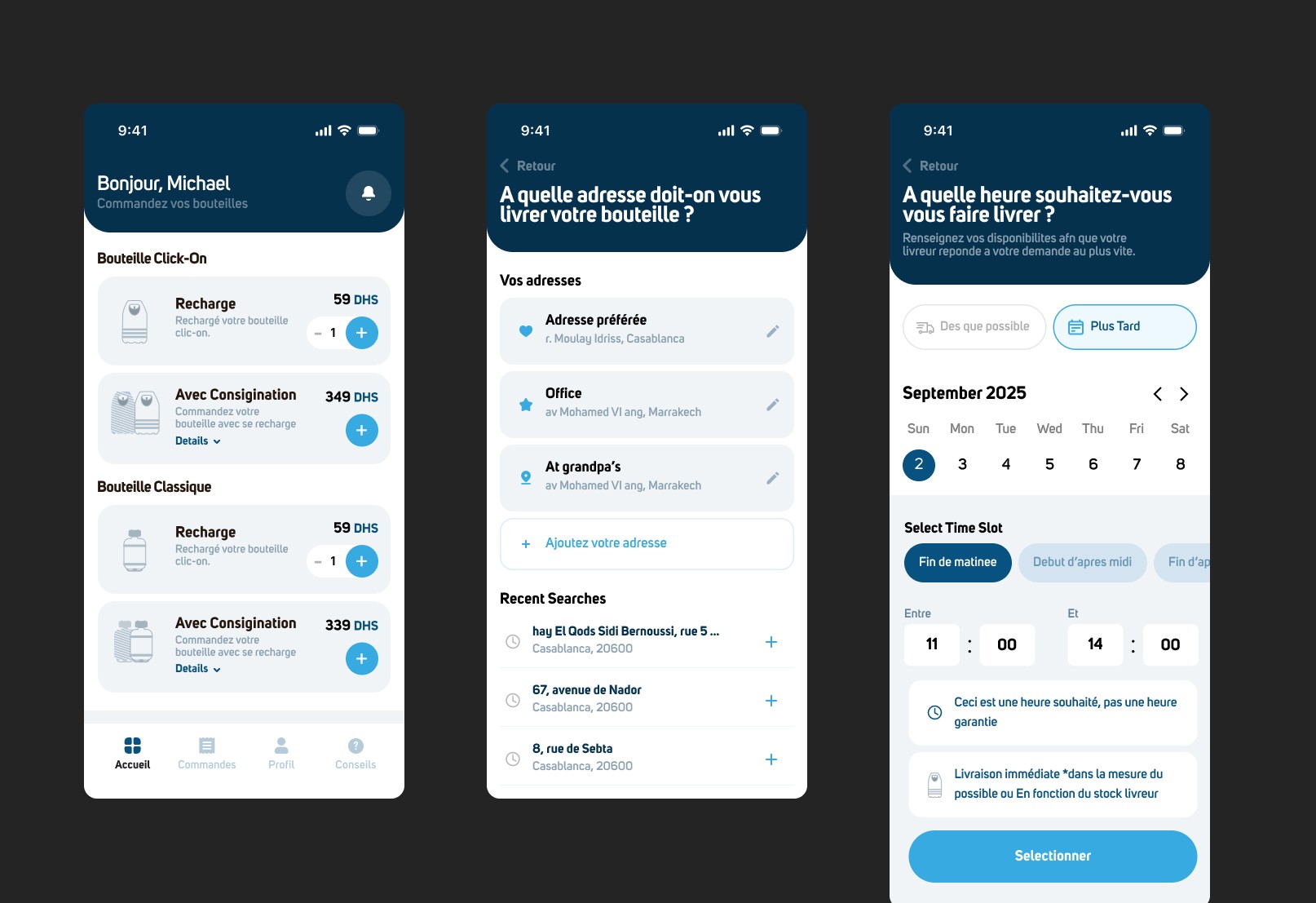
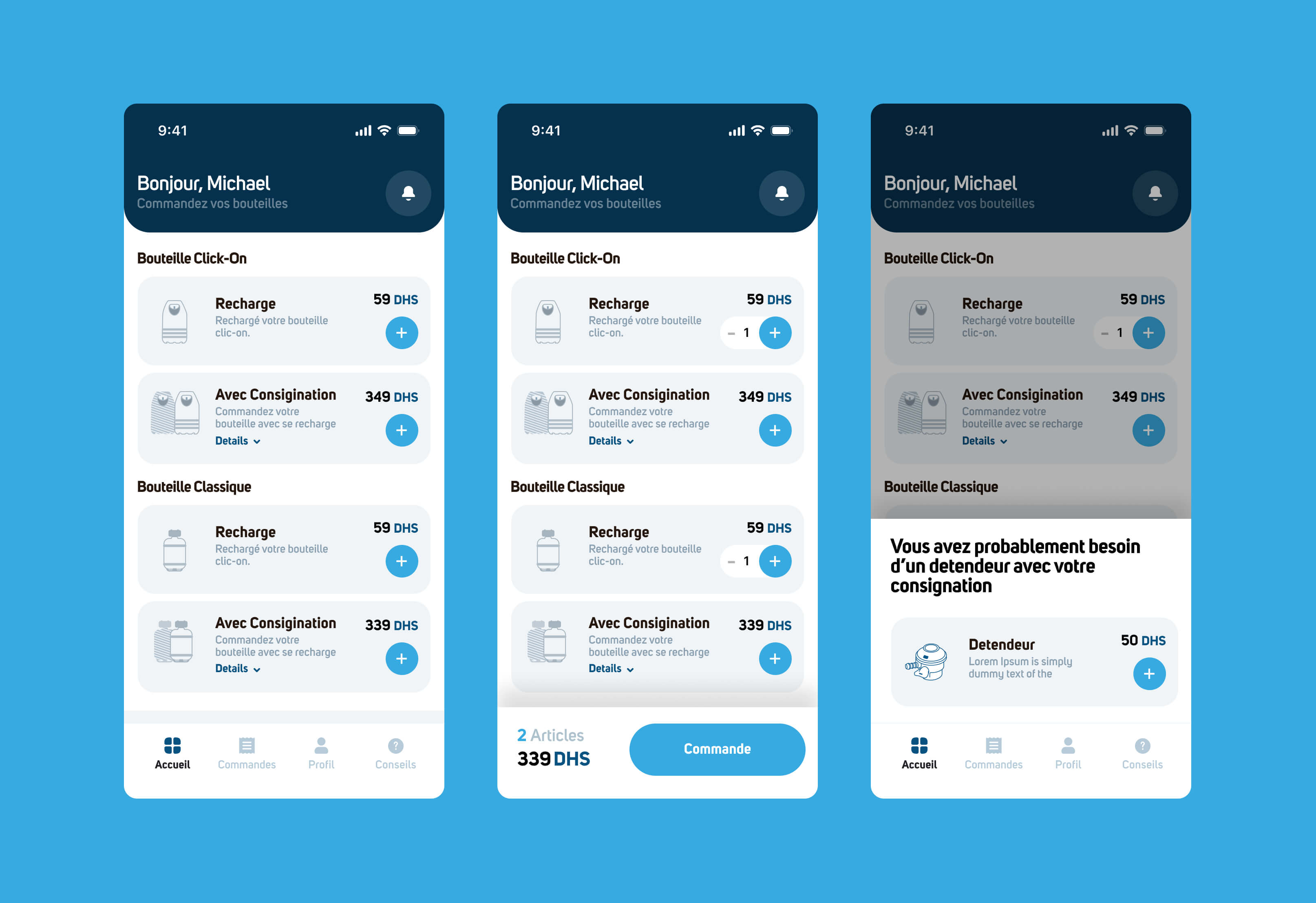
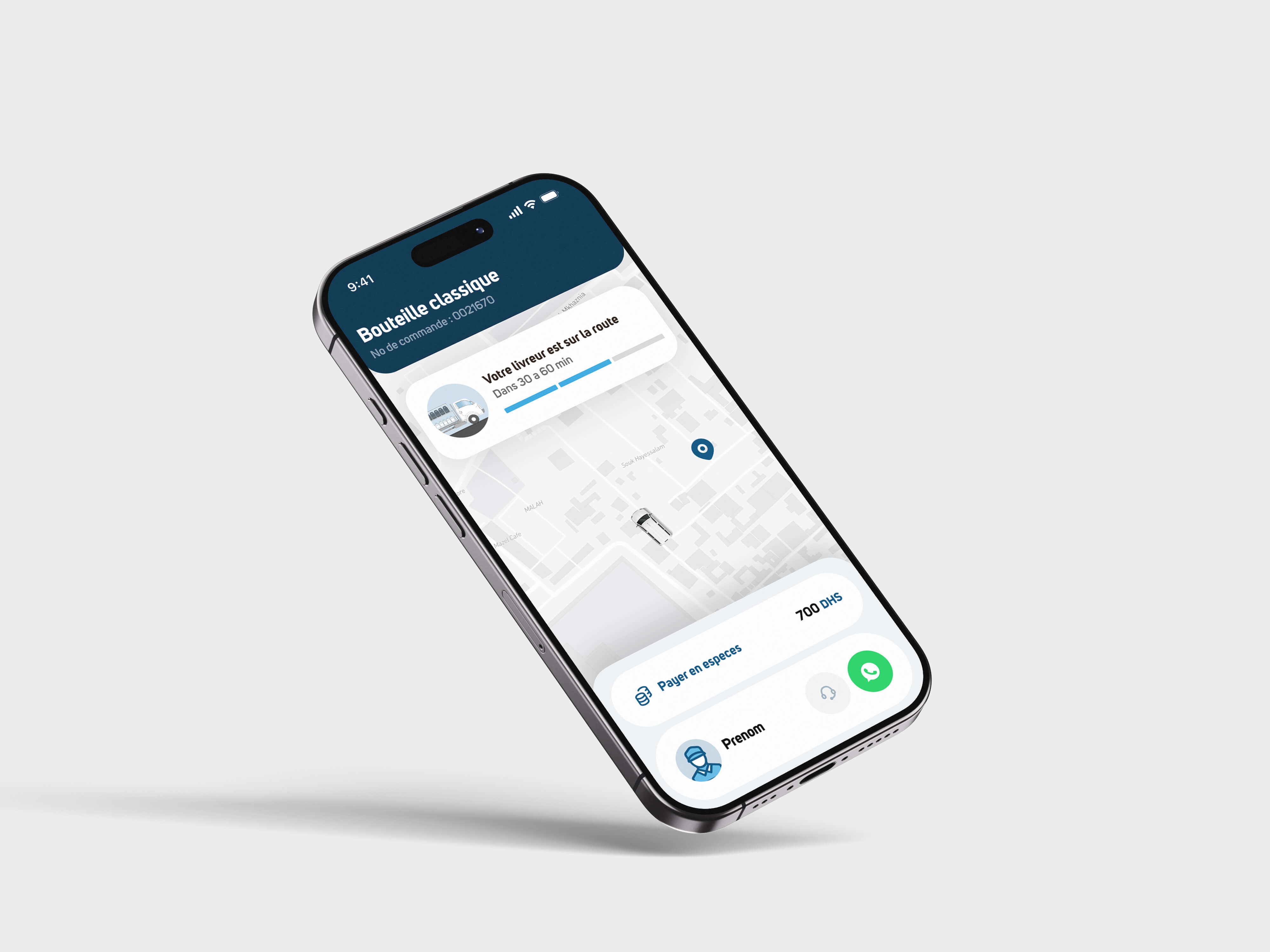
The customer side uses a clean, mobile-first layout with strong hierarchy and simplified ordering flows to reduce interaction time. Key information such as delivery status, estimated arrival, active orders, and reorder actions are visually prioritized to help users stay informed with minimal effort.
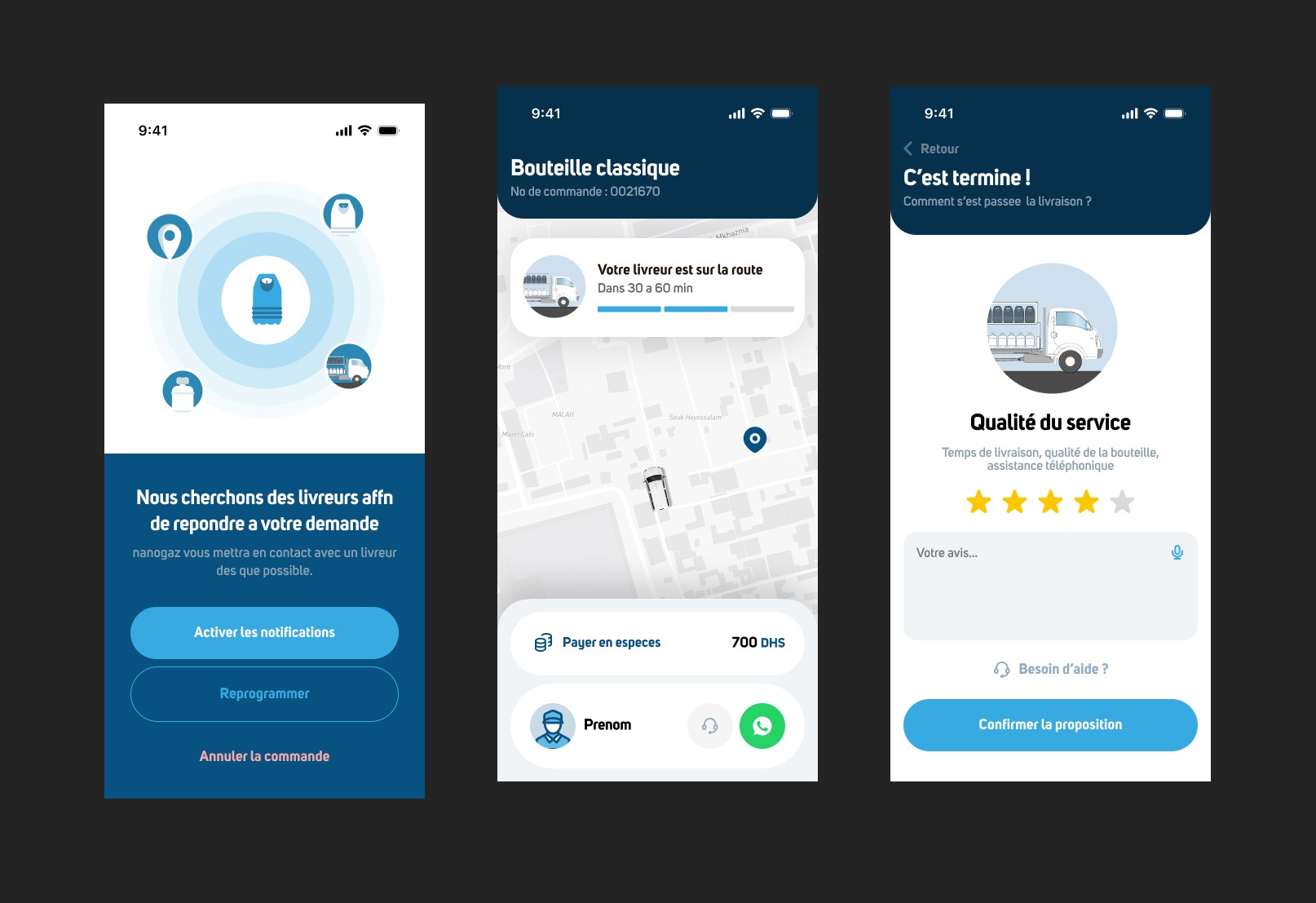
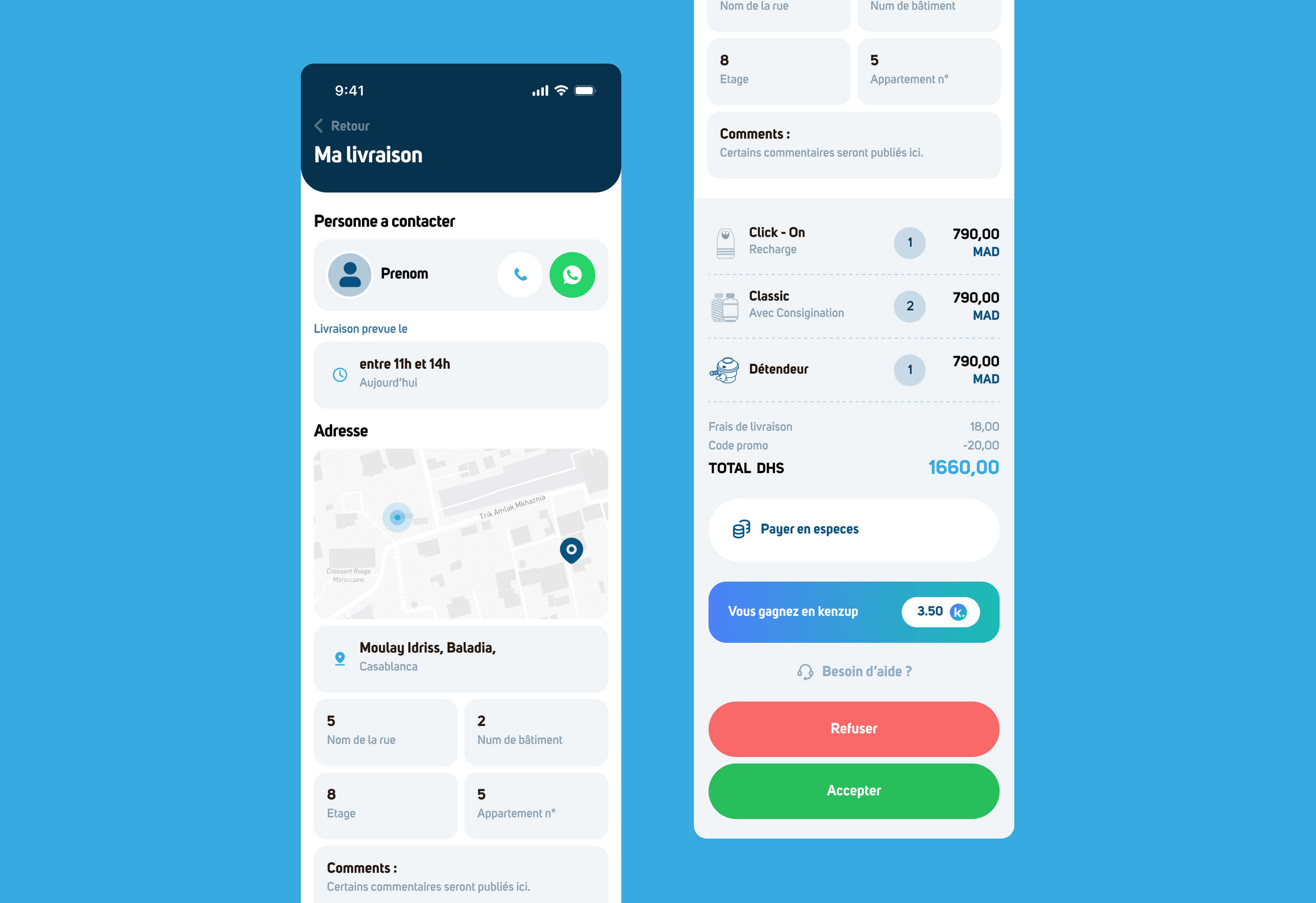
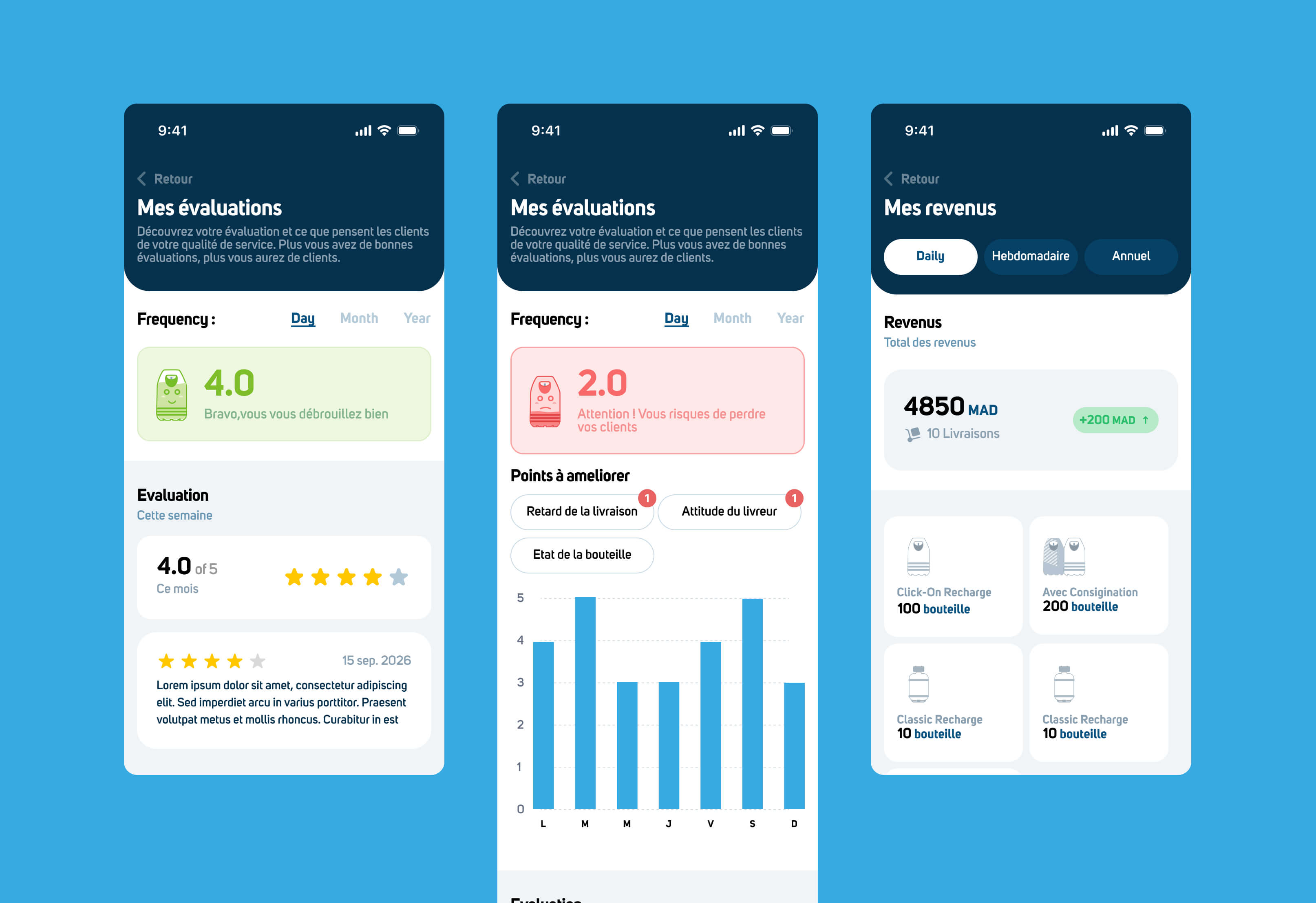
On the delivery side, the interface becomes more utility-oriented and action-driven. Large touch targets, simplified navigation, and structured delivery states were introduced to support fast interaction during active delivery workflows. Route visibility, order details, and status updates are designed to remain accessible at all times without overwhelming the screen.
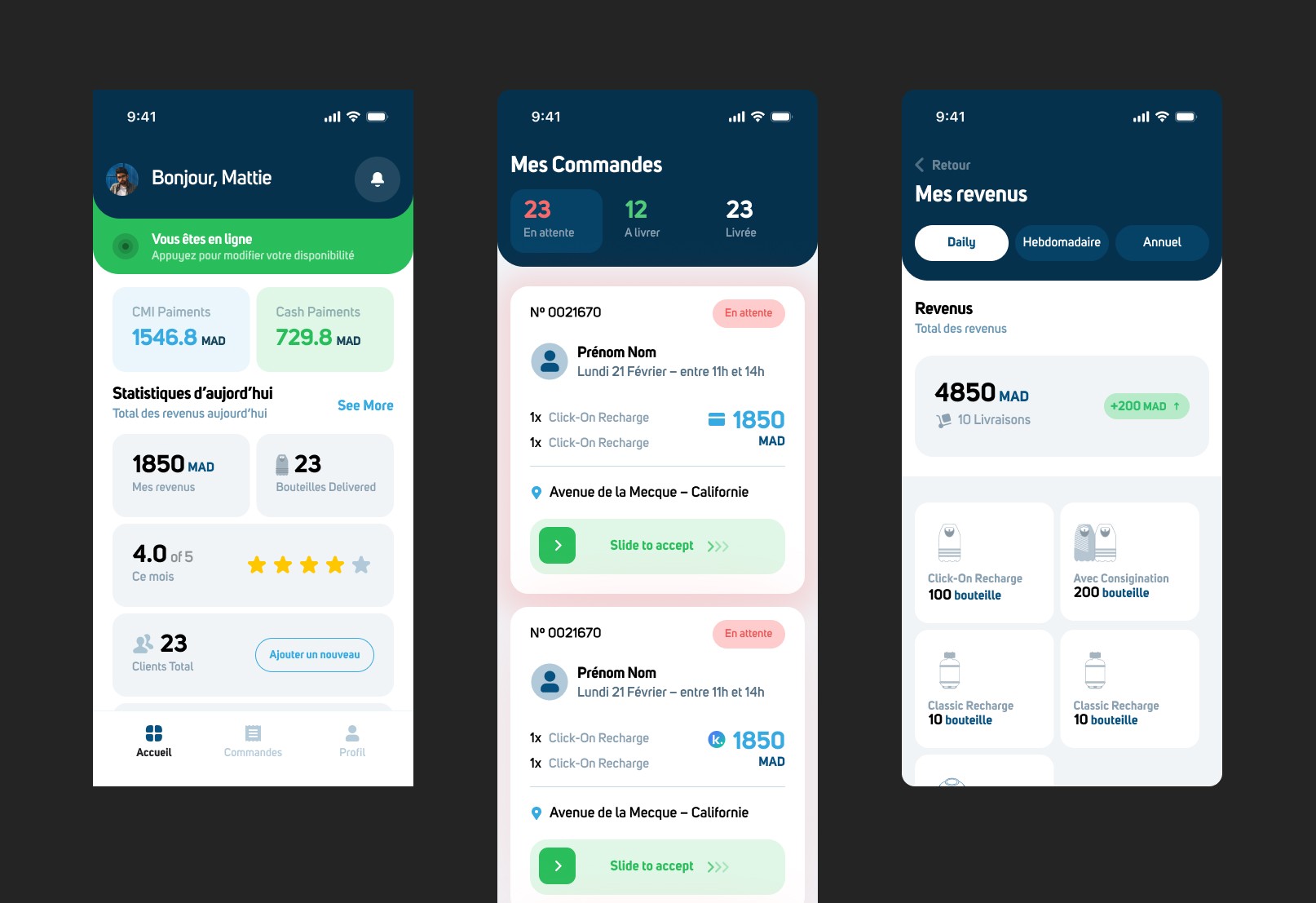
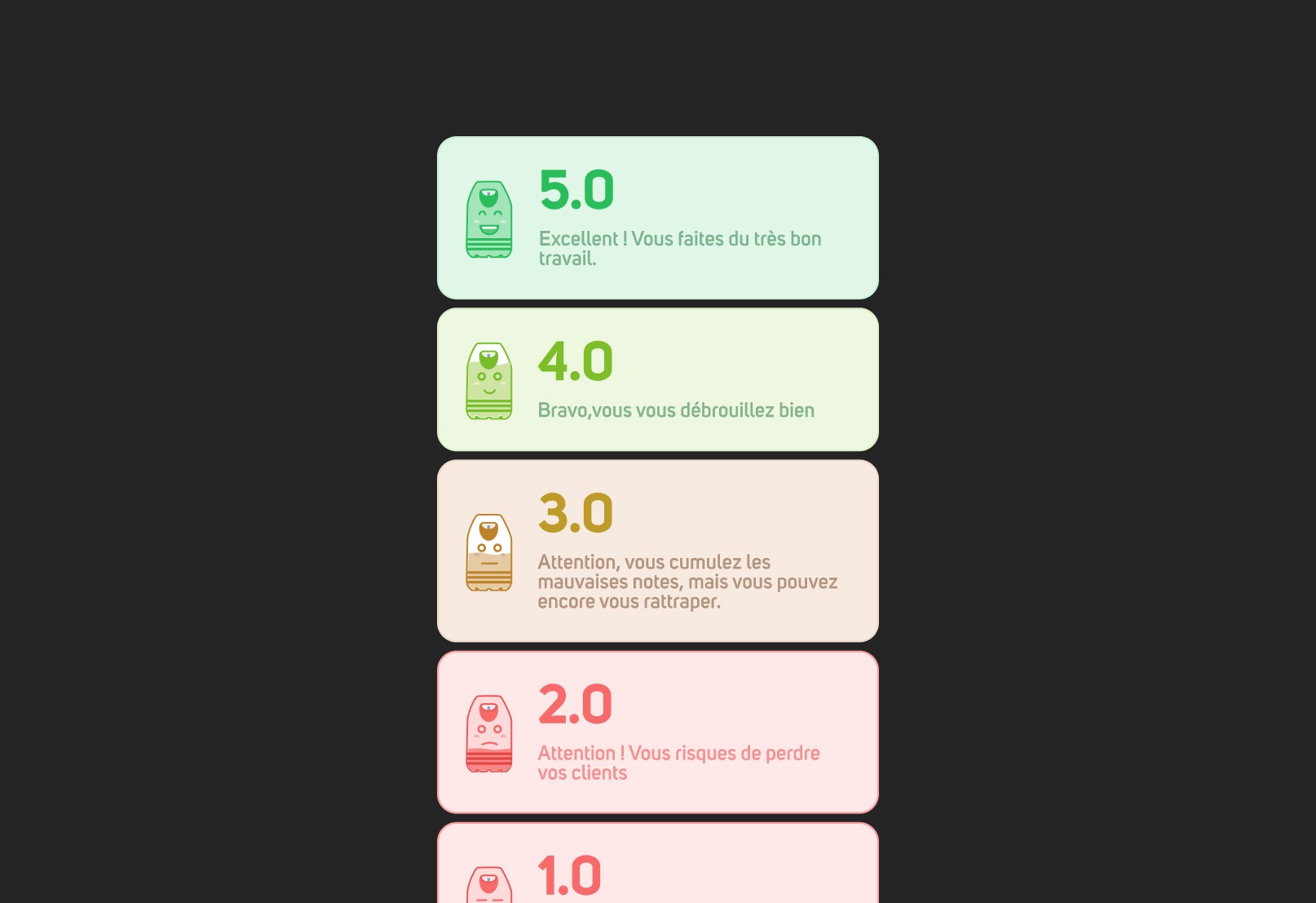
A strong emphasis was also placed on system feedback and live-state communication. Progress indicators, delivery states, and confirmation patterns were integrated throughout the experience to create transparency and reinforce reliability across both sides of the platform.
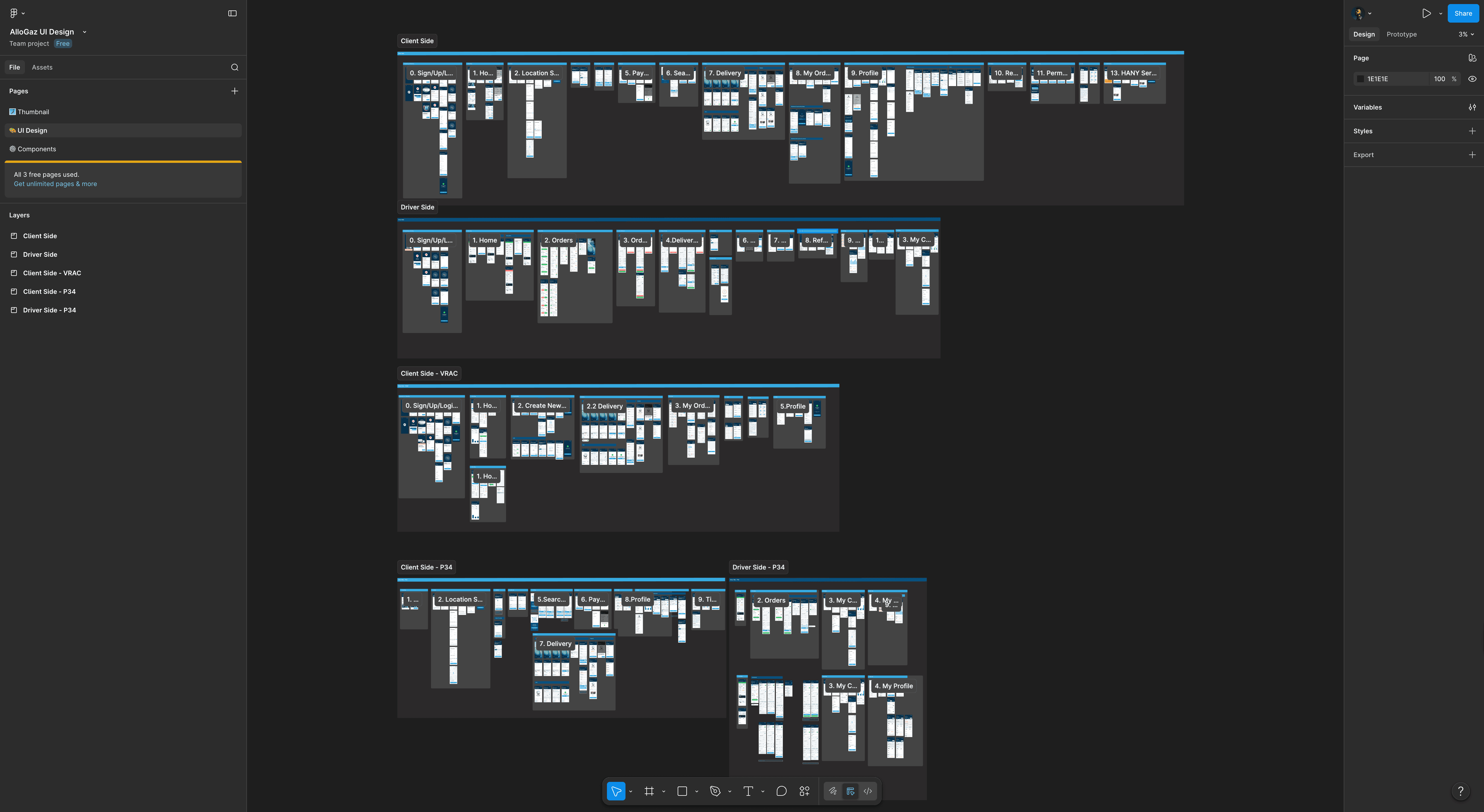
The final design system covered every major screen, state, and interaction flow across both customer and delivery applications. From onboarding and ordering flows to live tracking, delivery management, and operational states, each side of the ecosystem was fully designed to ensure consistency, scalability, and a seamless end-to-end experience.
outcomes

The final product delivers a fully connected delivery ecosystem that improves both customer experience and operational efficiency through clear real-time communication and simplified workflows. By redesigning the platform from the ground up, the experience shifted from a purely functional utility service into a modern, mobile-first delivery product focused on speed, reliability, and transparency.


The customer side reduces friction through streamlined ordering, live tracking, and intuitive delivery states, while the delivery-side application improves task management, route handling, and operational clarity for drivers. This creates a more synchronized workflow across both sides of the platform and minimizes communication gaps during active deliveries.


From a product perspective, the platform establishes a scalable foundation capable of supporting future operational growth and additional delivery features. The complete redesign of all major flows and interfaces ensures consistency across the ecosystem while significantly improving usability, trust, and overall user experience.


role

Product Designer

industry

Gas Production

duration

1,5 month

tools

Figma

project gallery
contact me

let’s discuss your project, product or opportunity

Whether you’re building a product, redesigning an existing experience, or looking for a long-term collaboration, feel free to get in touch

contact me

let’s discuss your project, product or opportunity

Whether you’re building a product, redesigning an existing experience, or looking for a long-term collaboration, feel free to get in touch